


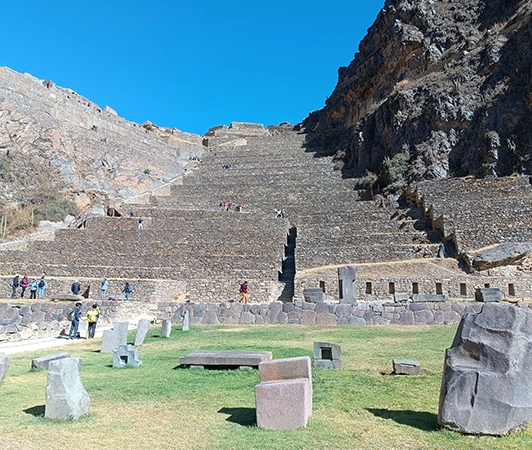
A Historical City Tour Cusco offers travelers a unique opportunity to explore the fascinating blend of Inca and colonial heritage that defines the historic capital of Peru. From ancient temples built by the Incas to churches constructed during the Spanish conquest, Cusco tells a story that spans centuries.
Located in the Andes Mountains, Cusco was once the heart of the Inca Empire and remains one of South America’s most culturally rich destinations. Today, visitors can experience this legacy through a guided city tour that reveals the layers of history embedded in every corner of the city.
The Historical Importance of Cusco
Cusco was the political, religious, and cultural center of the Inca Empire. Known as the “navel of the world” in the Quechua language, the city served as the hub of an advanced civilization that stretched across much of South America.
After the Spanish conquest in the 16th century, Cusco underwent a dramatic transformation. Colonial buildings were constructed on top of Inca foundations, creating a unique architectural fusion that can still be seen today.
Inca Legacy: Engineering and Spirituality
The Inca civilization was known for its advanced engineering and deep spiritual connection to nature. A Historical City Tour Cusco allows visitors to explore some of the most important Inca sites near the city.
Qoricancha – Temple of the Sun
Qoricancha was the most sacred temple in the Inca Empire, dedicated to Inti, the Sun God. The temple once featured walls covered in gold and served as a central place of worship.
Today, visitors can admire the precision of Inca stonework that still stands beneath the colonial Santo Domingo Convent.
Sacsayhuamán Fortress
Sacsayhuamán is one of the greatest examples of Inca engineering. The enormous stone blocks used in its construction fit together with remarkable precision, without the use of mortar.
The site also offers panoramic views of Cusco and the surrounding Andes Mountains.
Q’enqo Ceremonial Site
Q’enqo is believed to have been used for religious ceremonies and rituals. The site features carved stone altars, channels, and underground chambers.
Colonial Influence: The Spanish Transformation
The arrival of the Spanish in Cusco marked a new chapter in the city’s history. Many Inca structures were partially destroyed and replaced with colonial buildings.
This transformation created a unique architectural landscape where Inca foundations support colonial churches and monasteries.
Cusco Cathedral
The Cusco Cathedral, located in the Plaza de Armas, is one of the most important colonial buildings in Peru. It houses valuable religious artwork and reflects Spanish architectural influence.
Santo Domingo Convent
Built on top of Qoricancha, the Santo Domingo Convent symbolizes the blending of Inca and colonial cultures.
The Unique Blend of Inca and Colonial Architecture
One of the most fascinating aspects of a City Tour Cusco is the visible contrast between Inca and Spanish construction techniques.
- Inca walls built with precisely cut stones
- Colonial buildings constructed on top of Inca foundations
- Narrow streets following original Inca urban design
This architectural fusion makes Cusco a living museum of history.
What to Expect During the Tour
A typical historical city tour lasts approximately four to five hours and includes transportation and a professional guide.
- Visits to archaeological and colonial sites
- Expert historical explanations
- Panoramic views of Cusco and the Andes
- Cultural insights into local traditions
This structured itinerary allows travelers to explore the city’s history in a comprehensive and engaging way.
Travel Tips for Exploring Historical Cusco
- Take time to acclimatize to the altitude
- Wear comfortable walking shoes
- Bring sunscreen and water
- Respect archaeological sites and guidelines
These simple tips will help you enjoy your historical journey through Cusco.
Frequently Asked Questions
What makes Cusco historically important?
Cusco was the capital of the Inca Empire and later became a major colonial city under Spanish rule.
How long does the historical city tour last?
Most tours last between four and five hours.
Do I need a guide to understand Cusco’s history?
Yes. A professional guide provides valuable context and explanations that enhance the experience.
Is Cusco a UNESCO World Heritage Site?
Yes. Cusco is recognized for its cultural and historical significance.
Discover the Legacy of Cusco
A Historical City Tour Cusco allows travelers to explore the rich legacy of the Inca civilization and the lasting impact of Spanish colonial influence. From sacred temples to grand cathedrals, every site reveals a different chapter of Cusco’s history.
Contact our team today to book your City Tour Cusco and discover the incredible cultural heritage of the Andes.


