


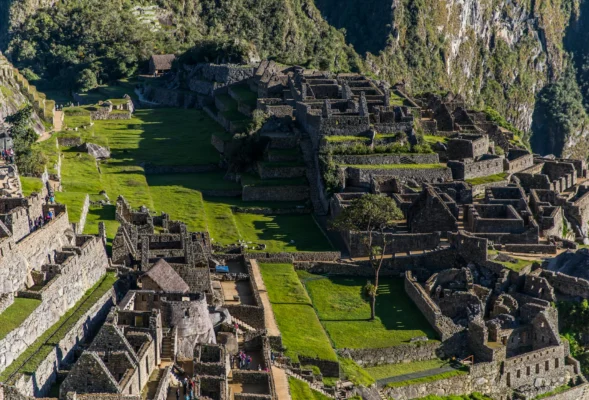
For adventure travelers planning a Peru trip, one of the most important decisions is choosing the best trek to Machu Picchu. While many visitors reach the citadel by train, trekking transforms the experience into something far more immersive—combining high-altitude hiking, breathtaking Andean scenery, Inca archaeology, and the rewarding feeling of arriving at Machu Picchu on foot.
However, there is no single “best” route for everyone. The ideal Machu Picchu trek depends on your fitness level, travel goals, available time, and preferred travel style. Some routes prioritize Inca history and archaeological sites, while others focus on mountain landscapes, cultural immersion, or adventure travel.
This guide compares the top Machu Picchu trekking routes so you can confidently choose the right Peru hiking experience.
Why Trek to Machu Picchu Instead of Taking the Train?
Although the train route is comfortable and efficient, trekking to Machu Picchu delivers a completely different experience.
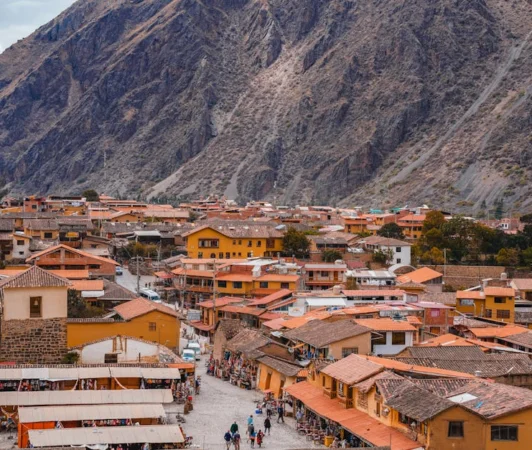
Benefits of hiking to Machu Picchu include:
- Immersive Andean mountain scenery
- Access to remote Inca archaeological sites
- Physical accomplishment and adventure
- Deeper cultural connection to Peru
- A more memorable arrival experience
For many travelers, the trek itself becomes the highlight of the trip—not just Machu Picchu.
1. Inca Trail (Best Overall Trek to Machu Picchu)
Why the Inca Trail Is the Most Iconic Route
The Inca Trail is widely considered the best trek to Machu Picchu because it combines history, landscapes, and a unique ending that no other route offers.
This legendary trail follows original Inca stone pathways through cloud forests, mountain passes, and archaeological ruins before arriving directly at Machu Picchu through the famous Sun Gate (Inti Punku).
Key Trek Details
- Duration: 4 days (Classic Inca Trail)
- Difficulty: Moderate to challenging
- Maximum altitude: 4,215 m / 13,828 ft (Dead Woman’s Pass)
- Permit required: Yes
Top Highlights
- Original Inca pathways
- Ancient ruins inaccessible by train
- Cloud forest ecosystems
- Sun Gate arrival at Machu Picchu
- Strong cultural and historical significance
Best For
- First-time Machu Picchu trekkers
- Travelers seeking a classic Peru hiking experience
- History and archaeology enthusiasts
Potential Downside
Permits are limited and often sell out months in advance, especially during peak trekking season.
2. Salkantay Trek (Best Alternative Adventure Trek)
The Best Alternative to the Inca Trail
The Salkantay Trek is one of the strongest alternatives for travelers researching what is the best trek to Machu Picchu.
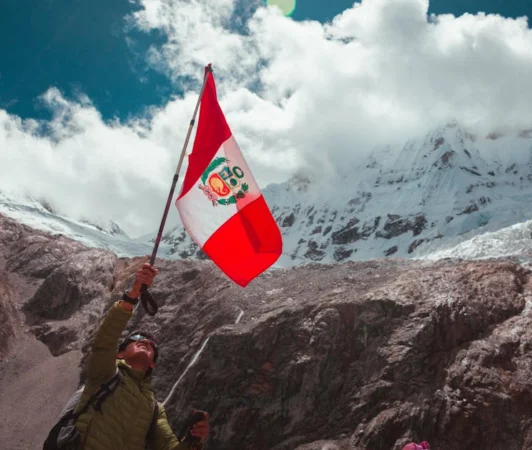
Rather than focusing primarily on archaeology, this route prioritizes spectacular natural scenery—including glaciers, alpine lakes, and dramatic transitions from mountains to cloud forest.
Key Trek Details
- Duration: 4–5 days
- Difficulty: Moderate to challenging
- Maximum altitude: 4,600 m / 15,091 ft
- Permit required: No
Top Highlights
- Snow-capped Salkantay Mountain
- Glacial lakes and mountain scenery
- Jungle transitions
- Remote landscapes with fewer crowds
Best For
- Adventure travelers
- Experienced hikers
- Travelers unable to secure Inca Trail permits
- People prioritizing scenery over archaeology
Potential Downside
The higher altitude and steeper terrain make it more physically demanding than the Inca Trail.
3. Lares Trek (Best Cultural Trek to Machu Picchu)
Ideal for Cultural Immersion
The Lares Trek offers one of the most authentic cultural trekking experiences in Peru.
Instead of focusing heavily on ruins, this route emphasizes interactions with traditional Andean communities and local culture.
Key Trek Details
- Duration: 3–4 days
- Difficulty: Moderate
- Permit required: No
Top Highlights
- Traditional Quechua villages
- Authentic cultural immersion
- Beautiful mountain valleys
- Lower crowd density
Best For
- Cultural travelers
- Photographers
- Travelers avoiding crowded routes
- People seeking authentic local experiences
Potential Downside
Unlike the Inca Trail, this trek does not enter Machu Picchu through the Sun Gate.
4. Inca Jungle Trek (Best Multi-Adventure Route)
Adventure Beyond Traditional Hiking
The Inca Jungle Trek combines hiking with adrenaline activities, creating one of the most dynamic routes to Machu Picchu.
Key Trek Details
- Duration: 3–4 days
- Difficulty: Moderate
Activities Often Included
- Mountain biking
- Rafting (seasonal)
- Ziplining
- Jungle hiking
Best For
- Younger travelers
- Adventure lovers
- Travelers seeking variety
Potential Downside
It is less focused on traditional trekking and historical immersion.
5. Choquequirao Trek (Best for Experienced Hikers)
The Hidden Sister City of Machu Picchu
The Choquequirao Trek is one of Peru’s most demanding but rewarding hiking experiences.
Often called the “sister city” of Machu Picchu, Choquequirao offers spectacular archaeology with almost no crowds.
Key Trek Details
- Duration: 4–8 days
- Difficulty: Challenging
Top Highlights
- Remote archaeological ruins
- Deep canyon trekking
- Minimal tourism traffic
- Extreme adventure experience
Best For
- Experienced trekkers
- Adventure seekers
- Travelers prioritizing solitude
Potential Downside
Physically demanding and significantly longer than other Machu Picchu treks.
Quick Comparison: Best Treks to Machu Picchu
- Best overall trek: Inca Trail
- Best alternative adventure trek: Salkantay Trek
- Best cultural trek: Lares Trek
- Best adrenaline-focused route: Inca Jungle Trek
- Best for advanced hikers: Choquequirao Trek
How to Choose the Best Trek to Machu Picchu
Choose Based on Fitness Level
Evaluate your hiking experience honestly before committing to a route.
- Beginner to intermediate: Short Inca Trail or Lares Trek
- Intermediate to advanced: Salkantay Trek
- Experienced hikers: Choquequirao Trek
Choose Based on Travel Goals
- History & archaeology: Inca Trail
- Mountain scenery: Salkantay Trek
- Cultural immersion: Lares Trek
- Adventure activities: Inca Jungle Trek
- Extreme trekking: Choquequirao Trek
Choose Based on Time Available
Not all trekking routes require the same commitment.
- Shorter treks: 2–4 days
- Classic hiking experience: 4–5 days
- Expedition-style treks: 6–8+ days
Best Time for Trekking to Machu Picchu
Dry Season (May–September)
- Best weather conditions
- Clear mountain visibility
- Ideal trail conditions
- Peak trekking season
Shoulder Season (April & October)
- Fewer crowds
- Balanced weather
- Good trekking conditions
Rainy Season (November–March)
- Greener landscapes
- More unpredictable weather
- Slippery trail conditions
For most travelers, the dry season delivers the best trekking experience.
Essential Trekking Tips for Machu Picchu
- Acclimate to altitude in Cusco before trekking
- Book permits and tours early
- Train physically before your trip
- Pack lightweight hiking gear
- Choose certified trekking operators
- Hydrate consistently during hikes
Preparation significantly improves both safety and enjoyment.
What Is the Best Trek to Machu Picchu?
So, what is the best trek to Machu Picchu? For most travelers, the Inca Trail remains the best overall option thanks to its historical significance, archaeological depth, and unforgettable Sun Gate arrival.
However, the Salkantay Trek offers stronger scenery, the Lares Trek provides deeper cultural immersion, and the Inca Jungle Trek delivers a more adrenaline-focused experience.
Ultimately, the best Machu Picchu trek depends on your fitness level, travel goals, and preferred experience style. No matter which route you choose, hiking to Machu Picchu is one of the most rewarding adventures in South America. Contact us to start planning your trek.


