


Few travel experiences in the world match the sense of wonder, history, and physical achievement found on the Inca Trail to Machu Picchu. This iconic trek through the Peruvian Andes is more than just a hike—it is a journey through ancient civilizations, breathtaking mountain landscapes, and some of the most significant archaeological sites on Earth. For travelers seeking adventure, cultural immersion, and unforgettable scenery, the Inca Trail remains one of the most sought-after trekking experiences globally.
Whether you are an avid hiker or a curious explorer, trips to Machu Picchu via the Inca Trail offer a powerful combination of challenge and reward. With carefully preserved pathways, high-altitude passes, and cloud forest ecosystems, every step brings you closer to the legendary lost city of the Incas.
The Inca Trail Experience: A Path Through History
The Inca Trail is a historic network of stone paths originally built by the Inca civilization. Stretching through rugged mountain terrain and lush valleys, the trail leads directly to Machu Picchu, one of the most important archaeological sites in the world.
Along the route, trekkers encounter ancient ruins, sacred sites, and stunning panoramic viewpoints. Notable stops include Wiñay Wayna, Phuyupatamarca, and Dead Woman’s Pass—the highest and most challenging point of the trek. Each location offers a glimpse into the engineering brilliance and spiritual beliefs of the Inca people.
This is not just a hike; it is a walking museum of Andean history.
Why Choose the Inca Trail for Your Machu Picchu Trip?
There are several ways to reach Machu Picchu, but the Inca Trail remains the most authentic and rewarding option. Unlike train-based routes, this trek allows travelers to arrive at the Sun Gate (Inti Punku) on foot—just as the Incas once did centuries ago.
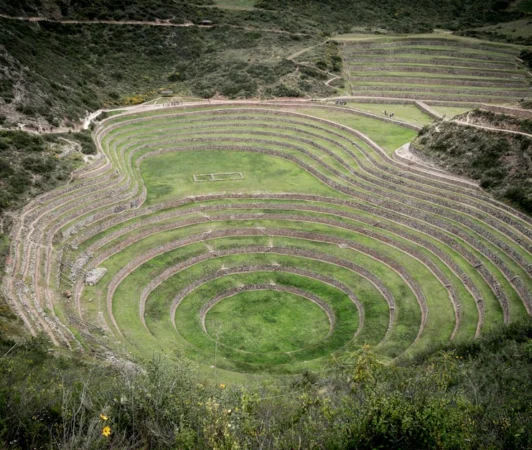
Key reasons to choose the Inca Trail include:
- Authentic cultural immersion through ancient pathways
- Spectacular mountain scenery including snow-capped peaks and cloud forests
- Exclusive access to remote archaeological sites not visible on other routes
- A dramatic arrival at Machu Picchu at sunrise, one of the most iconic travel moments in the world
For adventure seekers and history lovers, this route delivers unmatched emotional and visual impact.
Difficulty Level and Physical Preparation
Trips to Machu Picchu via the Inca Trail are considered moderately to highly challenging due to altitude and terrain. The trek typically spans 4 days and 3 nights, covering steep ascents, stone staircases, and high-altitude passes above 4,000 meters.
Proper preparation is essential. Travelers are encouraged to engage in cardio training, hiking practice, and altitude acclimatization in nearby regions such as Cusco before starting the trek.
While physically demanding, the trail is achievable for most reasonably fit individuals with determination and preparation.
Best Time to Hike the Inca Trail
The ideal trekking season for the Inca Trail is during the dry months from May to September. During this period, hikers enjoy clearer skies, safer trail conditions, and better visibility of the surrounding Andes landscapes.
The wet season, from November to March, brings heavier rainfall and slippery terrain, and the trail is often closed in February for maintenance. Planning ahead ensures a smoother and more enjoyable experience.
What to Expect on a Guided Inca Trail Tour
Most trips to Machu Picchu via the Inca Trail are conducted through licensed tour operators, as permits are strictly limited. A typical guided package includes:
-
- Professional trekking guides with deep knowledge of Inca history
- Porters to assist with camping equipment
- Meals prepared along the route
- Camping gear and logistics support
- Entry permits for both the trail and Machu Picchu
Evenings are spent at campsites surrounded by mountains, where trekkers enjoy local cuisine, starlit skies, and the camaraderie of fellow adventurers.
Arrival at Machu Picchu: The Ultimate Reward
The final day of the trek culminates in an early morning arrival at the Sun Gate, where trekkers catch their first breathtaking view of Machu Picchu emerging from the mist. This moment is widely regarded as one of the most powerful travel experiences in the world.
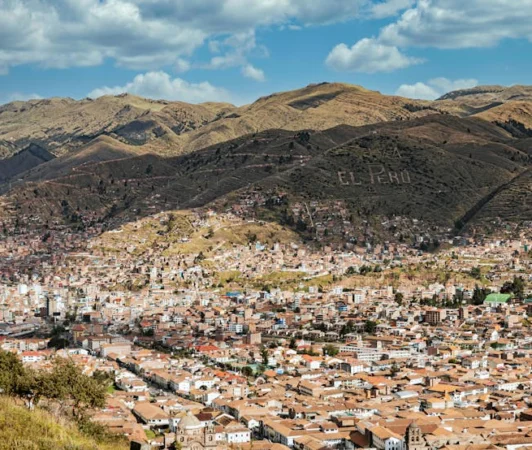
Descending into the citadel, visitors explore temples, terraces, and ceremonial spaces that reveal the sophistication of Inca architecture and astronomy.
It is the perfect conclusion to an unforgettable journey.
Plan Your Inca Trail Adventure Today
Trips to Machu Picchu via the Inca Trail offer a rare combination of adventure, history, and natural beauty. From the high Andes to the cloud forest and finally the ancient citadel itself, every stage of the journey is filled with meaning and discovery.
For travelers seeking more than just a destination, the Inca Trail delivers a transformative experience—one that stays with you long after the trek ends.


