


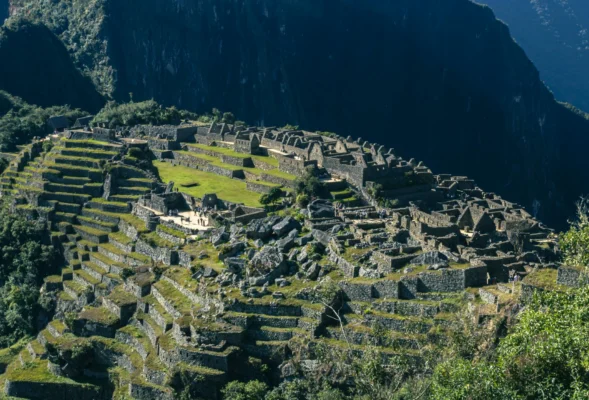
Machu Picchu is the highlight of most Peru itineraries, but choosing the right route can feel overwhelming—especially for first-time visitors. Since there are multiple transportation options available, many travelers ask: what is the best way to get to Machu Picchu from Cusco? The answer depends on your budget, travel style, available time, and whether you prioritize comfort, adventure, flexibility, or scenic experiences.
From panoramic train rides through the Sacred Valley to legendary treks like the Inca Trail, every route offers a unique way to experience Peru’s most iconic destination.
Where Is Machu Picchu Located?
Machu Picchu is located in the Cusco region of Peru, approximately 80 kilometers (50 miles) northwest of Cusco city. The archaeological site sits above Aguas Calientes (Machu Picchu Pueblo), the gateway town where most visitors arrive before entering the citadel.
Unlike many tourist attractions, there is no direct road access from Cusco to Machu Picchu. Visitors must combine transportation methods such as trains, buses, or trekking routes to reach the site.

1. Train to Machu Picchu (Best Overall Option)
Why the Train Is the Best Way for Most Travelers
For the majority of visitors, taking the train is the best way to get to Machu Picchu from Cusco. It offers the best combination of comfort, efficiency, scenery, and accessibility for travelers of all ages.
How the Train Route Works
Most travelers begin by transferring from Cusco to one of the main train stations:
- Ollantaytambo Station: The most common and efficient departure point
- Poroy Station: Seasonal departures located near Cusco
From there, travelers board a train to Aguas Calientes.
Once in Aguas Calientes:
- Take the shuttle bus to Machu Picchu entrance
- Join a guided tour or explore according to your ticket circuit
Advantages of Traveling by Train
- Comfortable and low-stress experience
- Scenic Sacred Valley landscapes
- Suitable for families, seniors, and first-time visitors
- Fastest and most efficient transportation option
- Multiple train service categories available
Potential Limitations
- Higher cost than alternative routes
- Train tickets often sell out during peak season
For most travelers, this is the highest-value route in terms of convenience and overall experience quality.
2. Sacred Valley + Train Combination (Best Overall Experience)
The Smartest Route for First-Time Visitors
Rather than traveling directly from Cusco to Machu Picchu, many experienced travelers combine the Sacred Valley with their itinerary.
Recommended route structure:
- Spend one day exploring the Sacred Valley
- Overnight stay in Ollantaytambo or Aguas Calientes
- Visit Machu Picchu early the following morning
Benefits of This Route
- Better altitude acclimatization
- Reduced travel fatigue
- Access to additional Inca archaeological sites
- More relaxed and immersive experience
- Improved logistics toward train stations
This is widely considered the best itinerary structure for Machu Picchu, especially for first-time travelers.
3. Inca Trail (Best for Adventure Travelers)
The Most Iconic Route to Machu Picchu
The Inca Trail is one of the world’s most famous hiking routes and delivers an immersive historical journey through ancient Inca pathways.
Available Options
- Classic Inca Trail: 4-day trekking route
- Short Inca Trail: 2-day version for moderate hikers
Main Advantages
- Walk authentic Inca stone trails
- Visit archaeological sites inaccessible by train
- Arrive through the famous Sun Gate (Inti Punku)
- Highly rewarding trekking experience
Limitations
- Limited permits and mandatory advance booking
- Physically demanding
- Higher overall cost
This option is ideal for active travelers prioritizing adventure and cultural immersion.
4. Salkantay Trek (Best Alternative Trek)
Adventure + High-Impact Landscapes
The Salkantay Trek is one of the strongest alternatives to the Inca Trail and appeals to travelers seeking dramatic mountain scenery.
- Duration: 4–5 days
- Difficulty: Moderate to challenging
- Highlights: Snow-capped peaks, glaciers, alpine lakes, cloud forest transitions
Unlike the Inca Trail, this route does not require permits, offering greater booking flexibility.
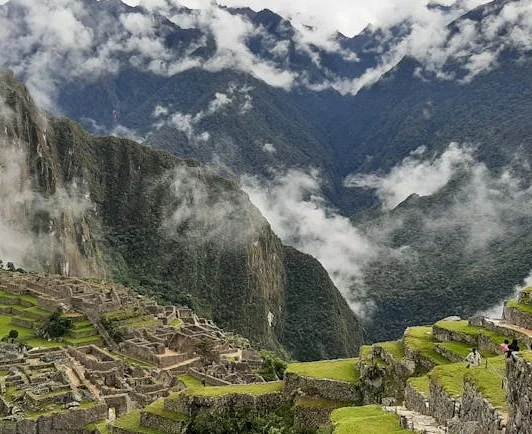
5. Budget Route via Hidroelectrica
Cheapest Way to Reach Machu Picchu
Budget-conscious travelers often choose the Hidroelectrica route.
How It Works
- Bus or car transfer from Cusco to Hidroelectrica
- Walk approximately 2–3 hours to Aguas Calientes
- Bus or hike to Machu Picchu entrance
Advantages
- Most affordable transportation option
- Flexible for backpackers
- No train required
Disadvantages
- Longer travel time
- Less comfortable logistics
- Additional physical effort required
This route works best for travelers prioritizing cost savings over comfort.
Train vs Trek: Which Option Is Better?
Your ideal route depends on your travel priorities.
Choose the Train If:
- You prioritize comfort and convenience
- You have limited time
- You are traveling with family or older adults
- You prefer minimal physical effort
Choose a Trek If:
- You enjoy hiking and adventure travel
- You want a deeper cultural experience
- You prefer scenic immersion over convenience
- You have additional travel days available
Both options ultimately lead to the same extraordinary destination—Machu Picchu.
How Long Does It Take to Get to Machu Picchu from Cusco?
Travel times vary significantly depending on the route selected.
- Train route: Approximately 3–5 hours total
- Inca Trail: 2–4 days
- Salkantay Trek: 4–5 days
- Hidroelectrica route: 6–8+ hours
For time efficiency, the train route remains the best solution for most travelers.
Essential Travel Tips for Machu Picchu Transportation
- Book train tickets as early as possible
- Reserve Machu Picchu entry tickets in advance
- Consider overnighting in Aguas Calientes
- Prioritize altitude acclimatization before traveling in Cusco
- Allow time buffers for transfers and schedules
Strategic preparation significantly improves the experience.
Common Mistakes to Avoid
- Booking trains too late during peak season
- Trying to complete Machu Picchu in one rushed day
- Ignoring altitude adaptation
- Choosing the cheapest route without understanding logistics
- Skipping the Sacred Valley completely
Avoiding these mistakes leads to a smoother and more rewarding journey.
What Is the Best Way to Get to Machu Picchu from Cusco?
So, what is the best way to get to Machu Picchu from Cusco? For most travelers, the train through Ollantaytambo offers the best combination of convenience, comfort, and scenic beauty. Travelers seeking adventure may prefer the Inca Trail or Salkantay Trek, while budget travelers can consider the Hidroelectrica route.
Ultimately, the right choice depends on your travel priorities, budget, and available time. No matter which route you choose, reaching Machu Picchu is one of the most unforgettable travel experiences in Peru. Contact us to start planning your trip.


