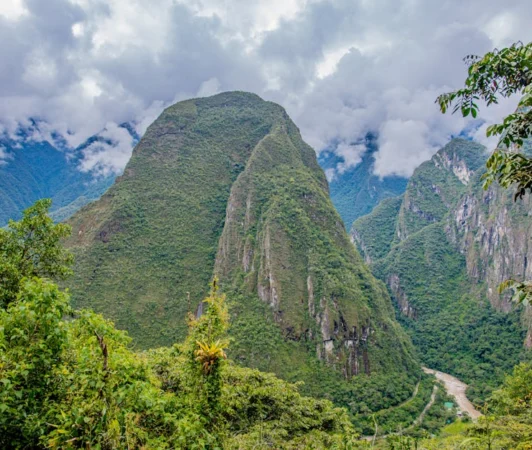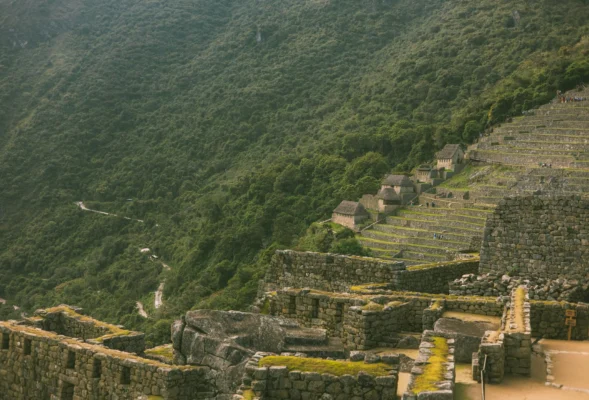
The Inca Trail hike is one of the most iconic trekking experiences in the world, combining breathtaking Andean landscapes, ancient archaeological sites, and the unforgettable reward of arriving at Machu Picchu through the legendary Sun Gate. However, many travelers underestimate the physical demands, altitude, and changing weather conditions of the route. Understanding how to prepare for the Inca Trail hike is essential to improve performance, reduce fatigue, and maximize your overall experience.
Although the trek is achievable for most travelers with moderate fitness, success depends on preparation. Physical training, altitude acclimatization, gear selection, hydration, and mental readiness all play a critical role in completing the Inca Trail comfortably and confidently.
Why Proper Preparation for the Inca Trail Matters
The Classic Inca Trail is considered a moderate to challenging trek. While thousands of hikers complete it every year, preparation significantly impacts how enjoyable the experience feels.
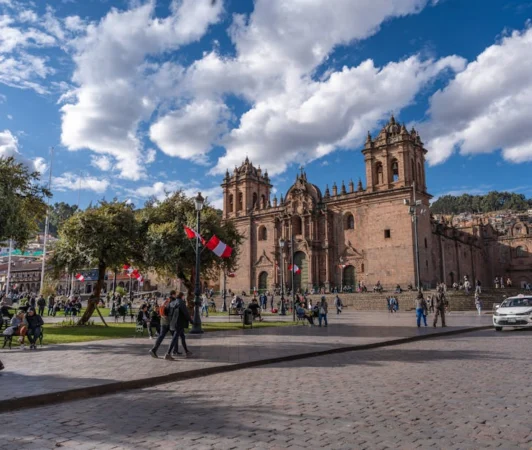
Main trekking challenges include:
- High-altitude hiking conditions
- Steep ascents and descents
- Long walking days
- Ancient uneven stone pathways
- Rapid weather changes in the Andes
Travelers who prepare in advance generally experience less fatigue, better altitude adaptation, and greater enjoyment during the trek.
1. Start Physical Training 4–8 Weeks Before the Trek
Build Endurance Gradually
The first step in learning how to prepare for the Inca Trail hike is improving your physical conditioning.
You do not need to be an athlete, but having a solid fitness foundation dramatically improves comfort during the trek.
Best Exercises for Inca Trail Training
- Walking: Build endurance with longer distances
- Hiking: Practice on hills or mountain trails
- Cardio workouts: Running, cycling, or stair climbing
- Leg strength training: Squats, lunges, and step-ups
- Core exercises: Improve balance and posture
Consistency matters more than intensity. Training regularly for several weeks produces better results than overtraining shortly before departure.
Practice Hiking with a Backpack
If possible, train with a lightweight backpack similar to the daypack you will carry during the trek.
This helps your body adapt to trekking movement and weight distribution.
2. Prepare for High Altitude
Altitude Is One of the Biggest Challenges on the Inca Trail
The highest point of the Classic Inca Trail is Dead Woman’s Pass (Warmiwañusca), reaching approximately 4,215 meters (13,828 feet).
Even physically fit travelers can experience altitude symptoms.
Common Altitude Symptoms
- Headaches
- Fatigue
- Shortness of breath
- Reduced energy levels
- Mild nausea
How to Acclimate Properly Before the Trek
- Arrive in Cusco 2–3 days before the hike
- Spend time in the Sacred Valley if possible
- Take it easy during your first days
- Stay hydrated consistently
- Avoid excessive alcohol
Acclimatization is one of the most important factors in successfully completing the Inca Trail.
3. Pack the Right Inca Trail Gear
Dress Using a Layering System
Weather conditions on the Inca Trail can change quickly, shifting from sunny mornings to cold evenings or rain.
Recommended clothing includes:
- Moisture-wicking base layers
- Light fleece or insulated jacket
- Waterproof rain jacket
- Quick-dry hiking pants
- Warm hat and gloves
- Breathable hiking shirts
Layering gives you flexibility and improves comfort throughout the trek. Learn more in our guide on what to pack for Peru treks.
Choose Proper Hiking Footwear
Your footwear can significantly impact your trekking experience.
Recommended footwear:
- Comfortable hiking boots or trail shoes
- Good grip for uneven terrain
- Ankle support for steep sections
- Water-resistant materials preferred
Important: Never bring brand-new hiking shoes. Always break them in before your trip.
Other Essential Gear
- Reusable water bottle or hydration system
- Sunscreen
- Sunglasses
- Trekking poles (optional but helpful)
- Headlamp
- Portable snacks and electrolytes
- Small first-aid essentials
Pack strategically and avoid carrying unnecessary weight.
4. Prepare Mentally for the Challenge
The Inca Trail is both a physical and mental challenge.
Maintaining the right mindset improves resilience during difficult sections.
Mental Preparation Tips
- Walk at your own pace
- Accept slower progress at altitude
- Focus on scenery instead of difficulty
- Stay patient during climbs
- Trust the process and your guide
The second day is usually the hardest, but hikers often find the reward worth the effort.
5. Understand the Daily Trek Difficulty
Knowing what to expect helps reduce surprises and improves pacing.
Day 1: Introduction to the Trek
- Moderate hiking day
- Gradual adjustment period
- Opportunity to establish pace
Day 2: The Hardest Day
- Dead Woman’s Pass crossing
- Steep uphill sections
- Highest altitude exposure
This is typically the most physically demanding stage.
Day 3: Scenic and Mixed Terrain
- Cloud forests
- Archaeological sites
- Long descents and moderate climbs
Many hikers consider this the most beautiful day.
Day 4: Arrival at Machu Picchu
- Early morning wake-up
- Sun Gate (Inti Punku) arrival
- First panoramic view of Machu Picchu
This is the emotional highlight of the trek.
6. Eat and Hydrate Strategically
Before the Trek
- Eat balanced meals
- Increase hydration
- Avoid excessive alcohol
- Prioritize sleep and recovery
During the Trek
- Drink water regularly
- Eat small snacks consistently
- Maintain energy levels
- Replace electrolytes if necessary
Hydration becomes especially important at altitude.
7. Book Early and Choose the Right Tour Operator
The Inca Trail operates under a strict permit system with limited daily access.
Most permits sell out months in advance—especially during peak season.
Choose an Operator That Provides:
- Licensed and experienced guides
- High-quality camping equipment
- Strong porter support
- Good food and hydration systems
- Emergency protocols and first aid
A quality trekking company significantly improves both comfort and safety. Compare different Inca Trail tour options before booking.
8. Prioritize Sleep Before the Trek
Good rest before departure directly affects energy levels during the hike.
Preparation Tips:
- Avoid overexertion in Cusco
- Sleep early the night before departure
- Stay hydrated
- Minimize unnecessary stress
Rested travelers generally adapt better to altitude and recover faster.
Common Inca Trail Preparation Mistakes to Avoid
Many travelers create unnecessary challenges because of avoidable mistakes.
- Skipping physical preparation
- Ignoring altitude acclimatization
- Overpacking heavy gear
- Wearing new hiking boots
- Starting too fast on Day 1
- Underestimating hydration needs
Good preparation significantly improves comfort and completion success.
Best Time to Hike the Inca Trail
Dry Season (May–September)
- Best weather conditions
- Clear mountain views
- Optimal trekking environment
- Highest demand for permits
Shoulder Season (April & October)
- Fewer crowds
- Balanced weather conditions
- Strong trekking experience
Important: The Inca Trail closes every February for maintenance. Check official updates through the Peruvian Ministry of Culture.
Final Inca Trail Preparation Checklist
- Physical training completed
- Altitude acclimatization planned
- Hiking boots tested
- Gear packed strategically
- Permits confirmed
- Weather forecast reviewed
- Hydration and snacks prepared
A final checklist review helps reduce last-minute stress and improve confidence.
Prepare Properly for an Unforgettable Inca Trail Experience
Understanding how to prepare for the Inca Trail hike can dramatically improve your trekking experience. Physical conditioning, altitude acclimatization, gear preparation, hydration, and mindset all contribute to a smoother and more enjoyable journey.
The Inca Trail is challenging—but also one of the most rewarding adventures in Peru. With proper preparation and realistic expectations, you can fully enjoy the breathtaking scenery, ancient Inca ruins, and unforgettable arrival at Machu Picchu through the legendary Sun Gate. Contact us to plan your Inca Trail adventure.