


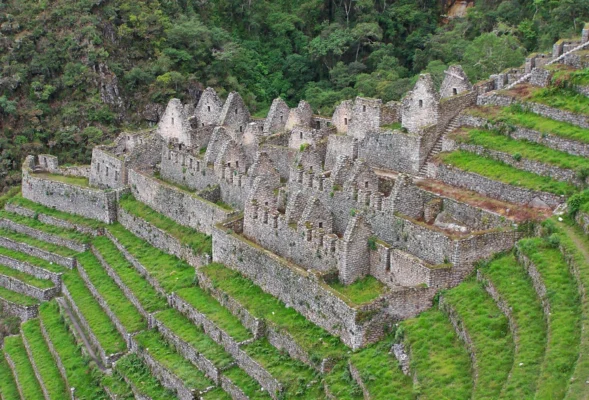
The Inca Trail may be the most iconic route to Machu Picchu, but it is far from the only trekking experience available in Peru. Many travelers search for quieter trails, more dramatic landscapes, better permit availability, or routes better aligned with their fitness level and travel goals. If you missed Inca Trail permits—or simply want a different type of adventure—there are several exceptional alternatives worth considering.
Choosing among the best alternative treks to Machu Picchu depends on your hiking experience, physical condition, time availability, and the kind of scenery or cultural immersion you want during the journey.
Some treks prioritize remote mountain landscapes and fewer crowds, while others focus on authentic cultural experiences or adrenaline-filled activities before reaching Machu Picchu.
Why Choose an Alternative Trek to Machu Picchu?
Although the Classic Inca Trail is legendary, alternative trekking routes offer major advantages for many travelers.
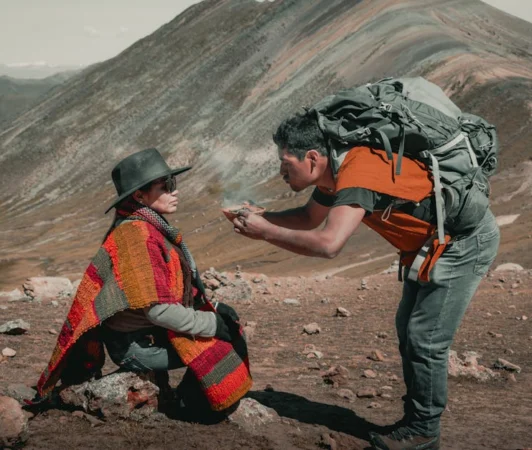
Reasons hikers choose alternative Machu Picchu treks include:
- No limited permit restrictions (on most routes)
- Greater booking flexibility
- Fewer crowds and quieter trails
- Diverse scenery and ecosystems
- Lower prices in some cases
- Different adventure styles for varying fitness levels
For many travelers, alternative routes provide an equally—or even more—rewarding trekking experience.
1. Salkantay Trek (Best Overall Alternative to the Inca Trail)
Why It Is the Most Popular Alternative
The Salkantay Trek is widely considered the best alternative trek to Machu Picchu because of its spectacular mountain scenery, accessibility, and flexibility.
Unlike the Inca Trail, this route does not require permits months in advance, making it an excellent option for last-minute travelers.
Key Trek Details
- Duration: 4–5 days
- Difficulty: Moderate to challenging
- Maximum altitude: Approximately 4,600 meters (15,091 ft)
- Permit required: No
Main Highlights
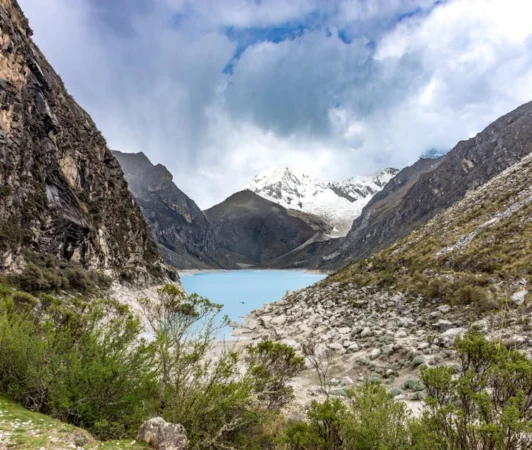
- Snow-capped Salkantay Mountain
- Turquoise glacial lakes
- Dramatic Andean landscapes
- Cloud forest and jungle transitions
- Less crowded routes compared to the Inca Trail
Best For
- Adventure travelers
- Experienced hikers
- Travelers unable to secure Inca Trail permits
- People prioritizing scenery over archaeology
Potential Downside
Higher altitude and steeper terrain make the Salkantay Trek more physically demanding than some alternatives.
2. Lares Trek (Best Cultural Trek to Machu Picchu)
The Best Route for Cultural Immersion
The Lares Trek offers one of the most authentic cultural trekking experiences in Peru.
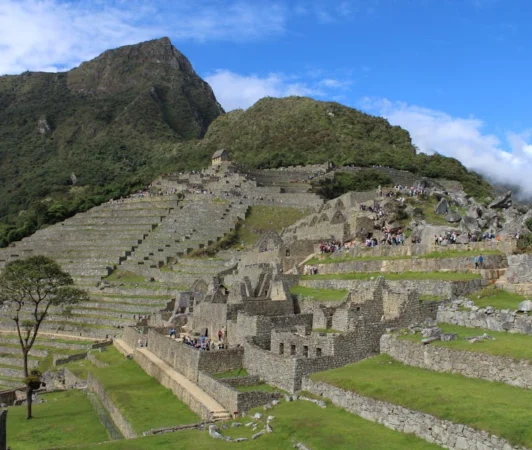
Instead of focusing heavily on archaeological ruins, this route prioritizes traditional Andean communities, local traditions, and mountain life.
Key Trek Details
- Duration: 3–4 days
- Difficulty: Moderate
- Permit required: No
Main Highlights
- Traditional Quechua villages
- Authentic weaving communities
- Scenic valleys and mountain passes
- Lower tourist traffic
- Meaningful local cultural interactions
Best For
- Cultural travelers
- Photographers
- Travelers seeking quieter routes
- People interested in local Andean culture
Potential Downside
Unlike the Classic Inca Trail, this trek does not include the iconic Sun Gate arrival to Machu Picchu.
3. Inca Jungle Trek (Best Adventure Trek)
Perfect for Thrill Seekers
The Inca Jungle Trek combines trekking with adventure sports, making it one of the most dynamic routes to Machu Picchu.
This route appeals to travelers seeking variety rather than a traditional trekking-only experience.
Key Trek Details
- Duration: 3–4 days
- Difficulty: Moderate
Activities Commonly Included
- Mountain biking
- Whitewater rafting (seasonal)
- Ziplining
- Jungle hiking
Best For
- Younger travelers
- Backpackers
- Adventure enthusiasts
- Travelers seeking variety and adrenaline
Potential Downside
It is less focused on traditional trekking and archaeological immersion.
4. Choquequirao Trek (Best for Experienced Hikers)
The Hidden Sister City of Machu Picchu
The Choquequirao Trek is one of Peru’s most challenging yet rewarding trekking experiences.
Often called the “sister city” of Machu Picchu, Choquequirao offers remote Inca archaeology with minimal crowds.
Key Trek Details
- Duration: 4–8 days
- Difficulty: Challenging
- Permit required: No
Main Highlights
- Massive remote Inca ruins
- Deep canyon landscapes
- Very low tourist density
- True expedition-style adventure
Best For
- Experienced hikers
- Adventure seekers
- Travelers wanting solitude
- People seeking off-the-beaten-path experiences
Potential Downside
This route is physically demanding and significantly more time-intensive than most Machu Picchu treks.
5. Short Inca Trail (Best Short Trek to Machu Picchu)
The Best Option for Limited Time
The Short Inca Trail offers part of the Classic Inca Trail experience in less time and with lower physical demands.
Key Trek Details
- Duration: 2 days
- Difficulty: Moderate
- Permit required: Yes
Main Highlights
- Historic Inca pathways
- Sun Gate (Inti Punku) arrival
- Smaller hiking commitment
- Ideal balance of trekking and comfort
Best For
- First-time trekkers
- Travelers with limited time
- Moderate fitness levels
- Travelers wanting a taste of the Classic Inca Trail
Potential Downside
Permits are still required and may sell out during peak season.
Quick Comparison of the Best Alternative Treks to Machu Picchu
- Best overall alternative: Salkantay Trek
- Best cultural trek: Lares Trek
- Best adventure route: Inca Jungle Trek
- Best for experienced hikers: Choquequirao Trek
- Best short option: Short Inca Trail
Best Time for Trekking to Machu Picchu
Dry Season (May–September)
- Best trekking weather
- Clear skies and mountain views
- Ideal trail conditions
- Highest demand period
Shoulder Seasons (April & October)
- Lower crowd density
- Balanced weather conditions
- Excellent trekking opportunities
Rainy Season (November–March)
- Greener landscapes
- Fewer visitors
- More unpredictable weather conditions
Rainy season trekking is possible but requires additional preparation and waterproof gear.
Essential Trekking Tips for Alternative Routes
- Acclimate in Cusco before starting your trek
- Consider spending time in the Sacred Valley to improve altitude adjustment
- Train physically several weeks in advance
- Book reputable trekking operators
- Pack lightweight but strategically
- Hydrate consistently during hikes
- Prepare for changing weather conditions
Good preparation dramatically improves comfort, performance, and enjoyment.
Which Alternative Trek to Machu Picchu Is Best?
Choosing among the best alternative treks to Machu Picchu ultimately depends on your travel style and adventure goals. The Salkantay Trek remains the strongest all-around alternative thanks to its breathtaking scenery and flexibility, while the Lares Trek excels in cultural immersion.
The Inca Jungle Trek is ideal for adrenaline seekers, the Choquequirao Trek rewards experienced hikers seeking remote exploration, and the Short Inca Trail offers a condensed version of the iconic Machu Picchu trekking experience.
No matter which route you choose, trekking to Machu Picchu delivers one of the most unforgettable travel experiences in Peru—combining mountains, history, culture, and adventure in one extraordinary journey. Contact us to start planning your trek.


