


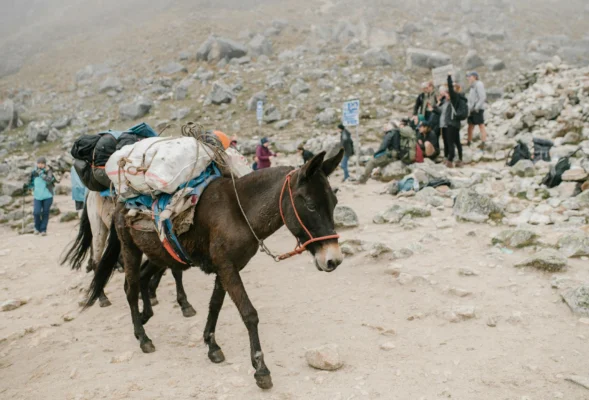
The Salkantay Trek is one of Peru’s most spectacular hiking routes and one of the strongest alternatives to the Classic Inca Trail. Known for dramatic mountain scenery, glacier views, remote landscapes, and diverse ecosystems, this trek attracts travelers seeking a more adventurous and less crowded route to Machu Picchu.
If you want to know everything about the Salkantay Trek experience, this guide covers what to expect, trek difficulty, itinerary structure, altitude preparation, packing essentials, and why many hikers consider it one of the best treks to Machu Picchu.
Whether you are an experienced hiker or planning your first multi-day trek in Peru, understanding the Salkantay experience helps you prepare for a safer, more rewarding, and unforgettable journey.
What Is the Salkantay Trek?
The Salkantay Trek to Machu Picchu is a multi-day hiking route through the Andes Mountains that eventually connects travelers with one of the world’s most iconic archaeological sites.
Unlike the Inca Trail, the Salkantay route does not require limited government permits, making it one of the most flexible trekking experiences in Peru.
The route is named after Salkantay Mountain, one of the highest and most sacred peaks in the Cusco region.
Quick Salkantay Trek Facts
- Duration: Typically 4–5 days
- Distance: Approximately 70 km (43 miles)
- Difficulty: Moderate to challenging
- Maximum altitude: Around 4,600 m (15,091 ft)
- Permit required: No
For travelers seeking scenery, adventure, and flexibility, the Salkantay Trek often becomes the preferred alternative to the Inca Trail.
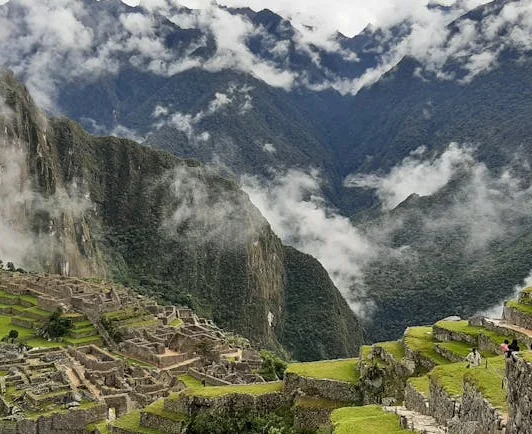
Why Choose the Salkantay Trek to Machu Picchu?
Many travelers researching everything about the Salkantay Trek experience want to understand what makes it different from other Peru treks.
Main reasons travelers choose the Salkantay Trek include:
- No limited permits required
- Greater booking flexibility
- Fewer crowds than the Inca Trail
- Diverse landscapes and ecosystems
- More adventurous trekking atmosphere
- Arrival at Machu Picchu at the end of the journey
For nature lovers and adventure travelers, the Salkantay route often delivers one of the most visually impressive trekking experiences in South America.
What Makes the Salkantay Trek Unique?
One of the biggest reasons hikers choose the Salkantay Trek is the incredible diversity of landscapes.
In only a few days, trekkers transition through dramatically different ecosystems.
What You Will Experience During the Trek
- Snow-capped mountain peaks
- Glacial lakes and alpine scenery
- High-altitude mountain passes
- Cloud forests
- Tropical jungle landscapes
- Coffee-growing regions
Few Machu Picchu treks offer such dramatic ecological transitions within such a short period.
Typical Salkantay Trek Itinerary
Day 1: Cusco to Soraypampa
The adventure usually begins with transportation from Cusco to the trailhead.
Main Highlights
- Beautiful Andean mountain scenery
- Optional hike to Humantay Lake
- First trekking camp experience
- Initial altitude adaptation
This day allows hikers to gradually adjust to the trekking environment.
Day 2: Salkantay Pass (The Most Challenging Day)
For most trekkers, this is the hardest yet most rewarding stage.
Main Highlights
- Crossing the Salkantay Pass
- Views of snow-covered Salkantay Mountain
- Highest elevation point of the trek
- Incredible panoramic photography opportunities
This day demands both physical endurance and mental resilience.
Day 3: Transition into the Cloud Forest
The scenery changes dramatically as hikers descend into warmer climates.
What to Expect
- Lush vegetation
- Warmer temperatures
- Coffee plantations
- Tropical scenery
This ecological transition surprises many travelers and becomes one of the most memorable parts of the trek.
Day 4: Arrival in Aguas Calientes
Most itineraries include overnight accommodation in Aguas Calientes before Machu Picchu.
Activities Often Include
- Relaxation and recovery
- Optional hot springs visit
- Preparation for Machu Picchu entry
This stage provides a valuable recovery period before the final highlight.
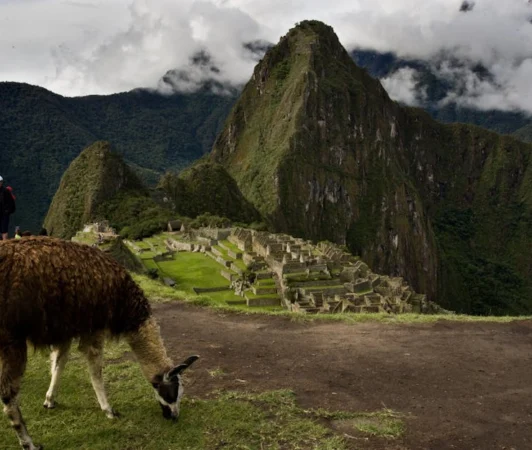
Day 5: Machu Picchu
The final day includes an early visit to Machu Picchu, the reward for completing the trek.
Main Highlights
- Guided exploration of Machu Picchu
- Panoramic viewpoints
- Inca temples and archaeological structures
- Free time for photography
The arrival at Machu Picchu after days of trekking makes the experience especially meaningful.
How Difficult Is the Salkantay Trek?
One of the most common questions travelers ask is whether the trek is physically difficult.
The Salkantay Trek difficulty level is generally classified as moderate to challenging.
Main Challenges Include
- High altitude hiking
- Steep ascents and descents
- Long trekking days
- Changing mountain weather
- Physical fatigue over multiple days
However, most travelers with moderate fitness can complete the trek successfully with proper preparation.
How to Prepare for the Salkantay Trek
Train Before Your Peru Trip
Start preparing approximately 4–8 weeks in advance.
Recommended training activities:
- Walking or hiking regularly
- Cardio workouts
- Stair climbing
- Leg strengthening exercises
- Core stability training
Consistency matters more than intensity.
Prioritize Altitude Acclimatization
Altitude preparation significantly improves trekking performance.
Recommended strategy:
- Spend 2–3 days in Cusco or the Sacred Valley before the trek
- Hydrate consistently
- Take it easy during your first days
- Avoid excessive alcohol consumption
Acclimatization is one of the most important factors for a successful trek.
What to Pack for the Salkantay Trek
Smart packing dramatically improves comfort during the trek.
Essential Salkantay Trek Gear
- Comfortable hiking boots
- Moisture-wicking trekking clothes
- Warm fleece or insulated jacket
- Waterproof rain gear
- Reusable water bottle or hydration pack
- Hat and sunscreen
- Sunglasses
- Headlamp
- Small hiking backpack
- Trekking poles (optional but recommended)
A layering system works best due to major temperature changes throughout the route. Learn more in our guide on what to pack for Peru treks.
Best Time to Do the Salkantay Trek
Dry Season (May–September)
- Best trekking weather
- Clear mountain views
- Excellent visibility
- Ideal trail conditions
Shoulder Season (April & October)
- Fewer crowds
- Balanced weather conditions
- Good trekking conditions
Rainy Season (November–March)
- Greener scenery
- More rain and muddy trails
- More unpredictable conditions
For most travelers, the dry season provides the strongest overall trekking experience.
Salkantay Trek vs Inca Trail: Which Is Better?
Many travelers compare the Salkantay Trek vs Inca Trail before booking.
Choose the Salkantay Trek If:
- You prioritize mountain scenery
- You prefer fewer crowds
- You want more adventure
- You could not secure Inca Trail permits
- You prefer booking flexibility
Choose the Inca Trail If:
- You value archaeological immersion
- You want the famous Sun Gate arrival
- You prefer original Inca pathways
- You want the most iconic Machu Picchu trek
Both treks are exceptional—the best choice depends on your travel style and priorities.
Common Salkantay Trek Mistakes to Avoid
- Skipping altitude acclimatization
- Underestimating physical difficulty
- Overpacking unnecessary gear
- Wearing brand-new hiking boots
- Booking unreliable operators
- Ignoring hydration needs
Good preparation dramatically improves the trekking experience.
Is the Salkantay Trek Worth It?
After learning everything about the Salkantay Trek experience, it becomes clear why this route is considered one of Peru’s greatest adventures.
From towering snow-capped mountains and glacial lakes to cloud forests and the unforgettable arrival at Machu Picchu, the trek delivers an extraordinary combination of challenge, scenery, and personal accomplishment.
Although physically demanding, the Salkantay Trek to Machu Picchu rewards travelers with some of the most spectacular landscapes in South America. With proper preparation and realistic expectations, it can easily become the highlight of your Peru adventure. Contact us to start planning your trek.


