


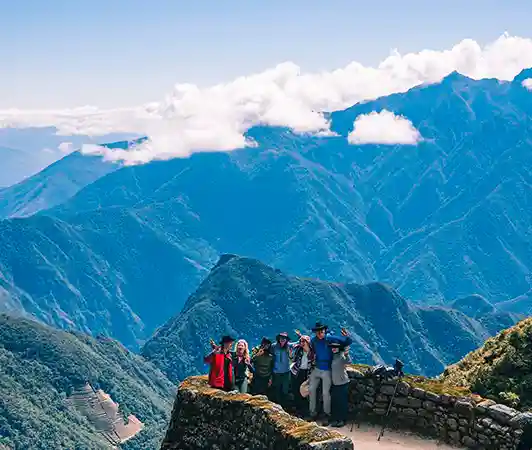
The Inca Trail is one of the most sought-after trekking experiences in the world, but understanding its difficulty is essential before committing. If you are asking how difficult is the Inca Trail trek, the answer depends on altitude, terrain, and physical preparation. While not an extreme expedition, it is a physically demanding multi-day hike that requires endurance, acclimatization, and proper planning.
With the right preparation and expectations, most travelers with moderate fitness can successfully complete the trek.
Overall Difficulty Level
The Inca Trail is classified as a moderate to challenging trek. It is achievable for beginners with preparation but should not be underestimated.
- Multi-day hiking endurance required
- Steep ascents and descents
- High-altitude exposure
- Uneven stone pathways
The difficulty is cumulative, meaning each factor adds to the overall physical demand.
Distance and Daily Breakdown
The classic route covers approximately 42 km (26 miles) over 4 days:
- Day 1: Moderate introduction
- Day 2: Most challenging (Dead Woman’s Pass)
- Day 3: Long descent and mixed terrain
- Day 4: Short hike to Machu Picchu
Although the distance is manageable, altitude and terrain increase the intensity.
Altitude: The Primary Challenge
Altitude is the most critical factor influencing difficulty. The highest point is Dead Woman’s Pass at 4,215 meters.
- Reduced oxygen levels
- Faster fatigue
- Possible headaches or altitude symptoms
Proper acclimatization (2–3 days in Cusco or the Sacred Valley) is essential for performance.
Terrain and Trail Conditions
The Inca Trail features ancient infrastructure rather than modern paths.
- Steep stone staircases
- Uneven and narrow trails
- Long downhill sections
- Mixed environments (mountain and cloud forest)
This requires balance, joint stability, and consistent pacing.
Weather Impact on Difficulty
Dry Season (May–September)
- Stable weather conditions
- Better trail grip
- Colder nights
Rainy Season (November–March)
- Slippery trails
- Higher humidity
- Increased physical demand
Season selection directly affects trekking difficulty.
Fitness Requirements
You do not need to be an athlete, but baseline conditioning is necessary.
- Cardio endurance (hiking, walking, running)
- Leg and core strength
- Experience with elevation gain
Recommended training period: 4–6 weeks minimum.
Is the Inca Trail Suitable for Beginners?
Yes, but only with preparation and realistic expectations.
- Short Inca Trail (2 days) for entry-level hikers
- Slow-paced itineraries for better adaptation
- Additional porter support to reduce load
Beginners should prioritize structured tours with strong logistical support.
Support System on the Trail
Guided tours significantly reduce operational difficulty.
- Professional trekking guides
- Porters carrying equipment
- Pre-arranged meals and camps
- Emergency and medical support
This infrastructure allows hikers to focus on the physical and experiential aspects.
How to Make the Inca Trail Easier
- Acclimate before starting the trek
- Maintain a steady, controlled pace
- Stay hydrated and eat consistently
- Use trekking poles for stability
- Pack light and optimize gear
Execution strategy is as important as physical preparation.
Common Mistakes That Increase Difficulty
- Underestimating altitude effects
- Lack of physical training
- Overpacking unnecessary weight
- Starting too fast on early days
Avoiding these mistakes significantly improves success rate.
Is the Inca Trail Worth the Effort?
Understanding how difficult is the Inca Trail trek allows you to prepare strategically and approach the challenge with confidence. While physically demanding, it is achievable for most travelers who train and acclimate properly.
The reward is a high-value experience: crossing the Andes on ancient paths, discovering archaeological sites, and arriving at Machu Picchu through one of the most iconic routes in the world. Contact us to start planning your trek.


