


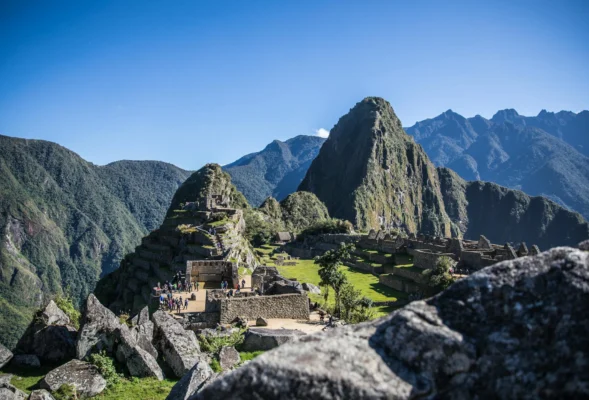
Preparing for your first trek to Machu Picchu can feel overwhelming, especially when deciding what to pack. Many first-time hikers either overpack unnecessary items or forget essentials that become critical on the trail. Since the Inca Trail includes changing weather, high altitude, steep terrain, and multiple days of hiking, packing strategically can significantly improve comfort and performance.
If you are searching for the ultimate Inca Trail packing list for beginners, this guide covers everything you need for a successful trek—without carrying unnecessary weight.
The goal is simple: pack light, stay comfortable, and be fully prepared for the mountain environment.
Why Packing Properly for the Inca Trail Matters
The Classic Inca Trail is considered a moderate to challenging trek, with steep ascents, uneven stone pathways, and rapidly changing weather conditions.
Overpacking makes the hike harder, while forgetting essentials can lead to discomfort or avoidable problems.
A smart packing strategy helps:
- Improve hiking comfort and mobility
- Reduce fatigue during long walking days
- Adapt to unpredictable Andean weather
- Support altitude performance
- Improve the overall trekking experience
For beginners, simplicity and functionality are the best approach.
1. Essential Clothing Layers
Base Layers (Moisture-Wicking Clothing)
The most effective way to dress for the Inca Trail is using a layering system.
Recommended items:
- 2–3 moisture-wicking t-shirts
- Lightweight hiking shirts
- Quick-dry synthetic fabrics
Avoid cotton, as it absorbs moisture, dries slowly, and increases discomfort during long hikes.
Warm Mid Layers
Temperatures on the trail can become cold—especially early mornings and evenings at altitude.
Recommended:
- Fleece jacket
- Light insulated jacket
- Thermal long-sleeve layer
Layering allows you to regulate body temperature efficiently throughout the trek.
Waterproof Outer Layer
Mountain weather changes quickly in the Andes, even during the dry season.
Bring:
- Lightweight rain jacket
- Waterproof shell
- Compact rain poncho (optional)
Rain is always possible on the Inca Trail, regardless of season.
2. Hiking Pants and Trekking Clothes
Comfortable trekking clothing is essential for multi-day hiking.
Recommended clothing:
- 2 pairs of hiking pants
- 1 set of camp or sleeping clothes
- Lightweight hiking shorts (optional)
Avoid jeans because they are heavy, uncomfortable, and slow to dry.
3. Hiking Shoes or Trekking Boots
The Most Important Item for First-Time Trekkers
Footwear is arguably the most important component of any Inca Trail packing list for beginners.
Choose:
- Comfortable hiking boots or trail shoes
- Strong traction for uneven terrain
- Good ankle support
- Water-resistant materials if possible
Critical tip: Break in your hiking shoes before the trek.
Never arrive in Peru with brand-new hiking boots.
4. Hiking Socks and Undergarments
Small details matter on long-distance treks.
Bring:
- 3–4 pairs of moisture-wicking hiking socks
- Comfortable underwear
- Extra socks for emergencies
Quality socks help reduce friction and prevent blisters.
5. Daypack Essentials
During the trek, you will carry a small daypack, so packing efficiently is essential.
Your backpack should include:
- Original passport (required for entry)
- Reusable water bottle or hydration system
- Sunscreen
- Sunglasses
- Hat or cap
- Rain jacket
- Snacks for energy
- Phone or camera
- Portable charger or power bank
Keep your backpack as lightweight as possible. Learn more in our guide on what to pack for Peru treks.
6. Sleeping Gear
Some trekking companies include sleeping equipment, while others require rental or personal gear.
Recommended items:
- Warm sleeping bag
- Sleeping liner (optional but helpful)
- Travel pillow (optional)
Night temperatures on the Inca Trail can drop significantly at higher elevations.
7. Essential Trekking Accessories
Trekking Poles
Highly recommended—especially for beginners.
Benefits include:
- Reduced knee strain
- Improved stability on uneven terrain
- Support during steep descents
Headlamp
A headlamp becomes surprisingly useful during multi-day treks.
Helpful for:
- Early morning starts
- Night movement around camp
- Packing gear in low light
Beanie and Gloves
Cold mornings and evenings are common.
Bring:
- Light gloves
- Warm beanie or winter hat
8. Health, Hygiene, and Personal Care Essentials
Pack a compact personal care kit with practical essentials.
Recommended items:
- Toothbrush and toothpaste
- Wet wipes
- Hand sanitizer
- Lip balm with SPF
- Blister bandages
- Personal medications
- Pain relievers
Sun exposure and altitude make hydration and skin care especially important.
Altitude Support Essentials
- Electrolyte tablets
- Altitude medication (if prescribed)
- Hydration supplements
Preparation becomes increasingly important above 3,000 meters. Spending time in the Sacred Valley before trekking can help improve acclimatization.
9. Bring Energy Snacks
Although most tour operators provide meals, personal snacks help maintain steady energy levels.
Recommended trekking snacks:
- Protein bars
- Nuts and trail mix
- Dried fruit
- Electrolyte packets
- Energy chews or gels (optional)
Small snacks can make a major difference during demanding hiking days.
10. Important Travel Documents
Never forget these essentials:
- Original passport
- Travel insurance information
- Tour booking confirmation
- Emergency contacts
- Digital backups of key documents
Your passport is mandatory for entering both the Inca Trail and Machu Picchu.
What NOT to Pack for the Inca Trail
One of the biggest mistakes first-time trekkers make is overpacking.
Avoid bringing:
- Heavy clothing
- Too many outfit changes
- Oversized toiletries
- Unnecessary electronics
- Large books or bulky entertainment items
- Heavy backpacks
Lightweight packing improves both mobility and overall comfort.
Quick Inca Trail Packing Checklist
- Hiking boots or trail shoes
- Moisture-wicking shirts
- Warm fleece or insulated jacket
- Waterproof rain jacket
- Hiking pants
- Moisture-wicking socks
- Hat and sunglasses
- Reusable water bottle
- Passport
- Headlamp
- Snacks and electrolytes
- Medication
- Portable charger
- Sleeping bag
- Trekking poles (optional)
This checklist covers the essentials for most beginner Inca Trail hikers.
Best Time to Hike the Inca Trail
Dry Season (May–September)
- Best trekking weather
- Clear skies and mountain visibility
- Cool mornings and nights
- Peak trekking demand
Shoulder Season (April & October)
- Fewer crowds
- Balanced weather conditions
- Good trekking experience
Important: The Inca Trail closes every February for maintenance. Check updates through the Peruvian Ministry of Culture.
Pack Smart for a Better Inca Trail Experience
Following this Inca Trail packing list for beginners helps ensure a more comfortable, safer, and more enjoyable trekking experience. Packing the right clothing, hiking gear, footwear, and essentials allows you to focus on the adventure instead of avoidable discomfort.
The Inca Trail is physically demanding, but with smart preparation and strategic packing, it becomes one of the most unforgettable experiences in Peru. Travel light, prioritize essentials, and prepare for an extraordinary journey to Machu Picchu. Contact us to start planning your trek.


