


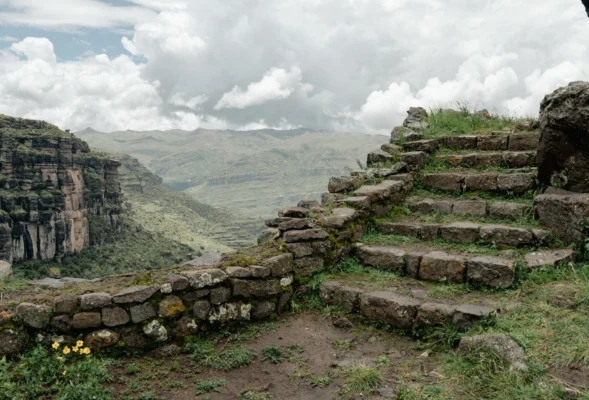
Planning a trip to Peru requires more than simply choosing destinations. The country’s diverse geography, altitude variations, transportation logistics, and limited-entry attractions make strategic planning essential. Understanding how to plan a trip to Peru step by step helps you build a smoother, safer, and higher-quality travel experience.
Whether your focus is Machu Picchu, trekking adventures, cultural exploration, or luxury travel, a well-structured plan reduces friction and maximizes your time in Peru.
Step 1: Decide How Many Days You Need
Your itinerary structure depends heavily on trip duration.
- 5 days: Lima + Cusco + Machu Picchu
- 7–10 days: Classic Peru itinerary with Sacred Valley
- 12–16 days: Add Lake Titicaca, Arequipa, or Amazon
- 3 weeks: Full multi-region Peru experience
For first-time travelers, focusing on fewer regions generally improves experience quality.
Step 2: Choose the Best Time to Visit Peru
Peru’s climate varies by region, making seasonality an important planning factor.
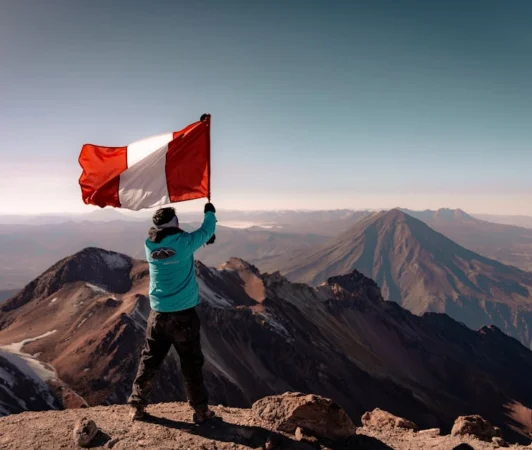
Dry Season (May–September)
- Best conditions for Cusco and trekking
- Clear skies and optimal visibility
- Higher demand and pricing
Shoulder Season (April & October)
- Balanced weather conditions
- Lower crowd density
Rainy Season (November–March)
- Greener landscapes
- Lower tourist volume
- Less predictable weather
Select your travel dates based on priorities such as weather, crowd levels, and budget.
Step 3: Define Your Travel Style
Your travel profile determines route structure, accommodation level, and activity selection.
- Classic travel: Lima, Cusco, Sacred Valley, Machu Picchu
- Adventure travel: Inca Trail, Salkantay Trek, Rainbow Mountain
- Luxury travel: Private tours, boutique hotels, premium trains
- Family travel: Flexible pacing and family-friendly logistics
- Cultural travel: Local markets, Andean communities, gastronomy
Step 4: Build a Logical Peru Itinerary
Peru is geographically large, so route efficiency is critical.
Classic 7-Day Peru Itinerary
- Day 1: Arrive in Lima
- Day 2: Fly to Cusco
- Day 3: Explore Cusco
- Day 4: Sacred Valley tour
- Day 5: Machu Picchu
- Day 6: Return to Cusco
- Day 7: Return to Lima
10-Day Peru Itinerary
- Lima
- Cusco & Sacred Valley
- Machu Picchu
- Rainbow Mountain or Humantay Lake
- Optional extension: Lake Titicaca, Amazon, or Arequipa
Efficient routing minimizes travel fatigue and improves logistics.
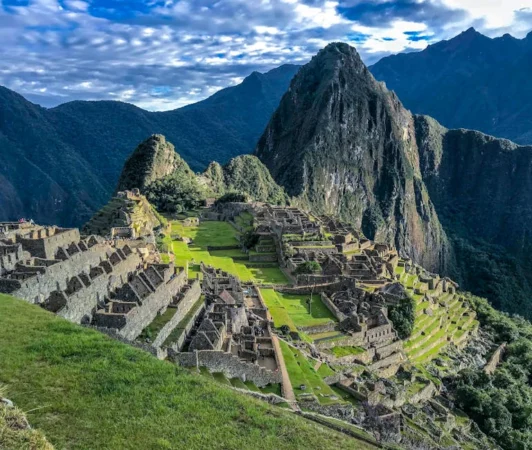
Step 5: Book Machu Picchu Early
Machu Picchu tickets have strict daily limits, making early booking essential.
- Select entry circuit
- Choose time slot
- Add Huayna Picchu or Machu Picchu Mountain if desired
- Reserve train tickets and accommodations
This should be one of the first confirmed elements of your itinerary.
Step 6: Plan Transportation Strategically
Transportation planning directly impacts itinerary efficiency.
- Domestic flights: Best for long distances
- Train services: Essential for Machu Picchu access
- Private transfers: Maximum flexibility and comfort
- Tour buses: Efficient for regional routes
Always build time buffers around flights and train schedules.
Step 7: Prepare for Altitude
Altitude affects many travelers in Cusco and surrounding regions.
- Spend the first day at a slower pace
- Hydrate consistently
- Avoid heavy meals initially
- Allow 1–2 days for acclimatization
Do not schedule intense hikes immediately after arrival.
Step 8: Set a Realistic Budget
Your Peru budget depends on travel style, season, and destination mix.
- Flights
- Hotels
- Machu Picchu tickets
- Train services
- Tours and guides
- Meals and personal expenses
Evaluate value, not just price. Low-cost packages may exclude key services.
Step 9: Decide Between Guided Tours and Independent Travel
Independent travel works well in cities, but guided tours improve logistics in complex destinations.
- Historical interpretation and context
- Efficient transportation coordination
- Support with tickets and regulations
- Safety assistance in remote regions
Guided experiences are highly recommended for Machu Picchu and trekking routes.
Step 10: Pack According to Your Route
Peru’s diverse climates require adaptive packing.
- Comfortable walking shoes
- Layered clothing system
- Rain jacket or poncho
- Sunscreen and sunglasses
- Reusable water bottle
- Daypack for tours
Trekking itineraries require specialized hiking gear.
Step 11: Review Entry Requirements and Insurance
Before departure, confirm:
- Passport validity
- Visa requirements
- Travel insurance coverage
Travel insurance should include:
- Medical emergencies
- Trip delays or cancellations
- Adventure activities (if applicable)
Step 12: Finalize and Review Your Peru Plan
Before departure, confirm all operational details:
- Machu Picchu tickets
- Hotel reservations
- Flight schedules
- Tour pickup details
- Emergency contacts
A final itinerary review reduces avoidable travel issues.
Common Peru Travel Planning Mistakes
- Overloading the itinerary
- Booking Machu Picchu too late
- Ignoring altitude acclimatization
- Underestimating transportation times
- Selecting tours based only on price
Strategic planning significantly improves overall experience quality.
Plan Your Peru Trip with Confidence
Understanding how to plan a trip to Peru step by step allows you to organize a more efficient, comfortable, and memorable journey. By aligning seasonality, itinerary structure, transportation, and travel style, you can optimize every stage of your Peru experience.
Plan carefully, book strategically, and create a realistic itinerary to fully experience Peru’s cultural, historical, and natural diversity. :contentReference[oaicite:0]{index=0}


