The Strange and Mysterious Peru Pyramids
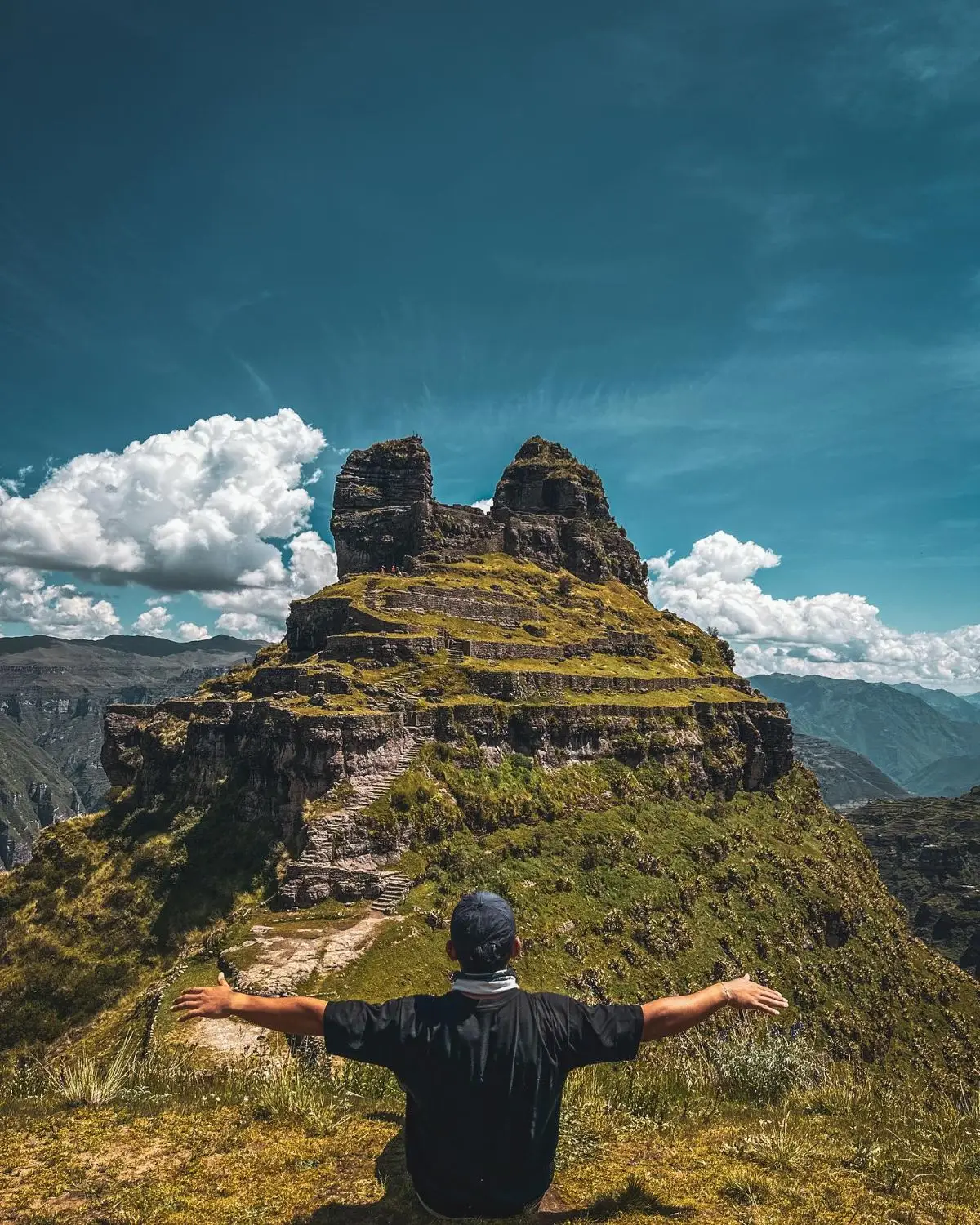
When most travelers think of pyramids, their minds immediately go to Egypt or Mexico. But did you know that Peru is also home to some of the world’s most fascinating and mysterious pyramids? The Peru pyramids hold secrets older than the Inca Empire, whispering stories of ancient civilizations that thrived thousands of years ago. For adventurous tourists, these sites are not only archaeological wonders but also unforgettable journeys into history, mystery, and culture.
Older Than the Egyptian Pyramids
One of the strangest facts about the Peru pyramids is their age. In the Sacred City of Caral, archaeologists have discovered pyramid complexes that date back to around 2600 BCE. That makes them older than the famous Pyramids of Giza in Egypt. Walking among these ruins gives you the spine-tingling feeling of stepping back in time to one of the earliest civilizations on earth.
Built from Mud and Stone
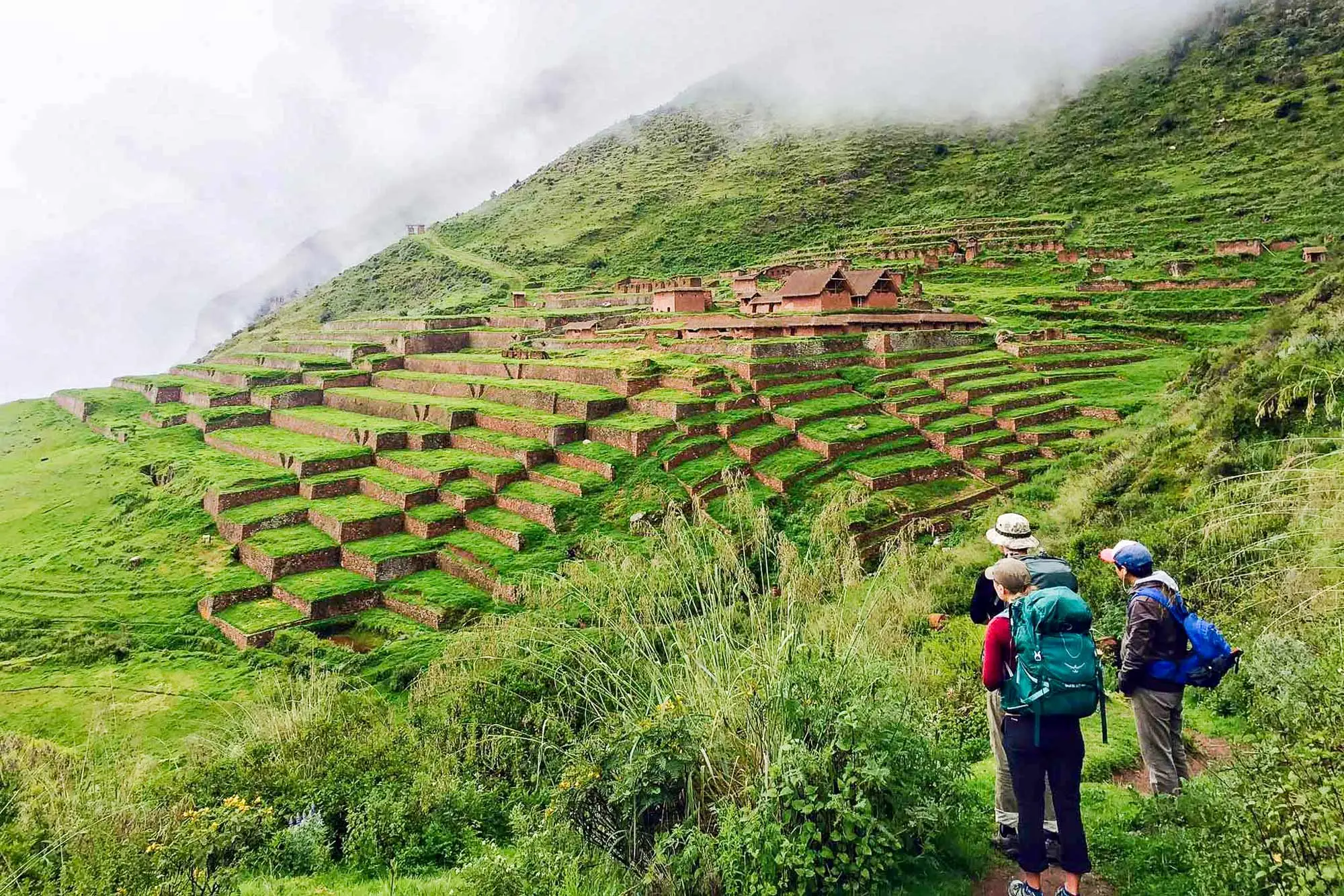
Unlike the towering limestone blocks of Egypt, the Peru pyramids were built using adobe (sun-dried mud brick) and stones. Over thousands of years, many have eroded, making them appear more like giant sandy hills than sharp pyramids. This unusual construction method reveals the genius of Peru’s early builders, who adapted their architecture to the natural resources and climate of the desert coast.
More Than Just Tombs
The Egyptian pyramids are world-famous as tombs for pharaohs, but the Peru pyramids served different purposes. Sites like Huaca del Sol and Huaca de la Luna were centers for ceremonies, rituals, and even political gatherings. These pyramids were not just for the dead – they were the beating heart of living cultures, used for festivals, sacrifices, and honoring gods.
Strange Rituals and Mysterious Murals
Tourists are often fascinated (and a little unsettled) by the evidence of strange rituals carried out at the Peru pyramids. At Moche sites, archaeologists have found murals showing ritual battles, human sacrifices, and offerings to deities. Imagine standing before a pyramid wall painted over 1,500 years ago, depicting scenes that still spark questions about the spiritual world of ancient Peru.
Cities of Pyramids
In northern Peru lies Túcume, known as the “Valley of the Pyramids.” This incredible site contains more than 20 pyramids, scattered across a desert landscape. As you explore the sandy trails, you’ll feel like an adventurer uncovering a lost city. From the top of one of these pyramids, panoramic views stretch out across the valley, perfect for photography and awe-inspiring memories.
Aligned With the Cosmos
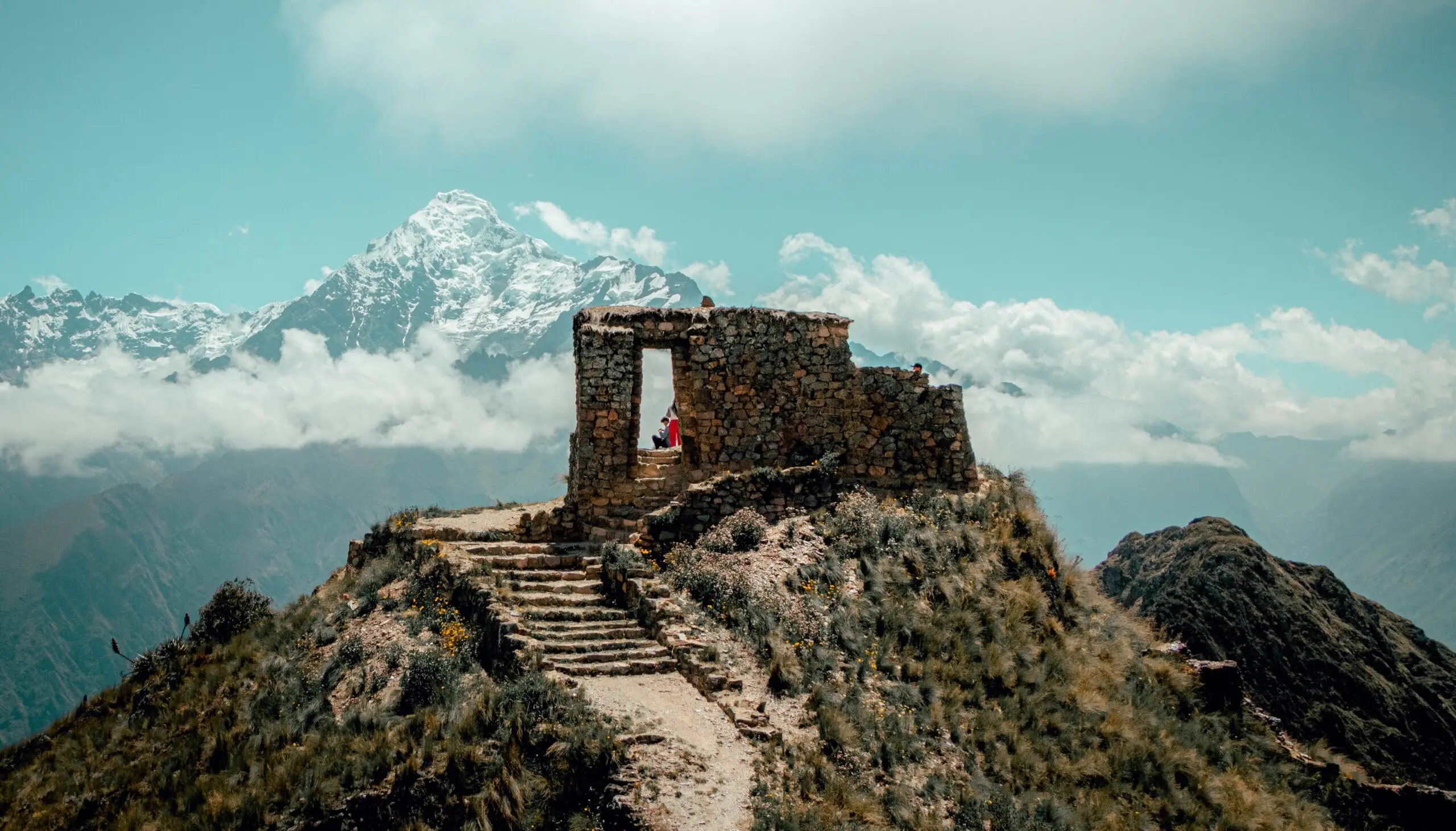
Another strange and beautiful mystery of the Peru pyramids is their connection to the stars. Many were aligned with celestial events like solstices and equinoxes, serving as giant calendars for ancient civilizations. Others were carefully built near rivers, symbolizing the sacred bond between the heavens and water, which was the source of life in Peru’s desert regions.
Why Tourists Should Visit the Peru Pyramids
For travelers, the Peru pyramids are more than ruins – they are gateways into ancient worlds. Unlike Egypt, where the pyramids are crowded with tourists, many Peruvian pyramid sites remain peaceful and less explored. You can wander through them at your own pace, connect with local guides, and feel the mystery without the rush of crowds.
Imagine combining a visit to Machu Picchu with a journey to Caral, Túcume, or Trujillo’s Moche pyramids. You’ll not only see one of the New Seven Wonders of the World but also uncover the strange secrets of Peru’s pyramids, making your trip unique and unforgettable.
Final Thoughts
The Peru pyramids are some of the world’s most underrated wonders. They are older than Egypt’s, built with unique materials, decorated with mysterious murals, and aligned with the stars. For curious travelers, they promise a journey filled with history, mystery, and adventure.
So, when you plan your next trip to South America, don’t just think about Machu Picchu – dare to explore the strange and magical pyramids of Peru.