When people search “how long did it take to build Machu Picchu”, they are often expecting a simple number. But the truth behind Machu Picchu is far more powerful—and far more impressive. This legendary Inca citadel wasn’t built overnight. It was the result of careful planning, elite craftsmanship, and highly organized imperial labor during the height of the Inca Empire.
Let’s break it down in a clear, engaging way that reveals the real construction timeline of one of the world’s greatest ancient wonders.
The Short Answer: Around 10 to 20 Years of Intensive Construction
Most historians estimate that the main construction of Machu Picchu took approximately 10 to 20 years, likely between 1450 and 1470 AD, during the reign of the Inca ruler Pachacuti.
However, this does not mean the site was “finished” in a modern sense. Instead, Machu Picchu was:
- Built rapidly as a royal estate and ceremonial center
- Expanded gradually with terraces, temples, and housing structures
- Continuously refined by skilled Inca engineers and workers
So while the core citadel may have been completed in about two decades, the surrounding structures and landscape engineering likely evolved over a longer period.
Built by an Empire: The Inca Construction Machine
To understand the speed of construction, we need to understand the Inca Empire’s labor system. The Incas didn’t use money or machines. Instead, they relied on a system called mit’a, a form of mandatory public service.
Thousands of skilled laborers contributed to building Machu Picchu, including:
- Stone masons who shaped massive granite blocks
- Agricultural engineers who carved advanced terraces
- Architects who aligned temples with astronomical precision
- Labor teams transporting materials across mountains
This highly organized workforce allowed construction to move at a surprisingly fast pace despite the harsh Andean environment.
Inca Engineering: Built in Harmony with the Mountains
One reason Machu Picchu could be built relatively quickly is the genius of Inca engineering. Instead of fighting the terrain, they worked with it.
Key innovations included:
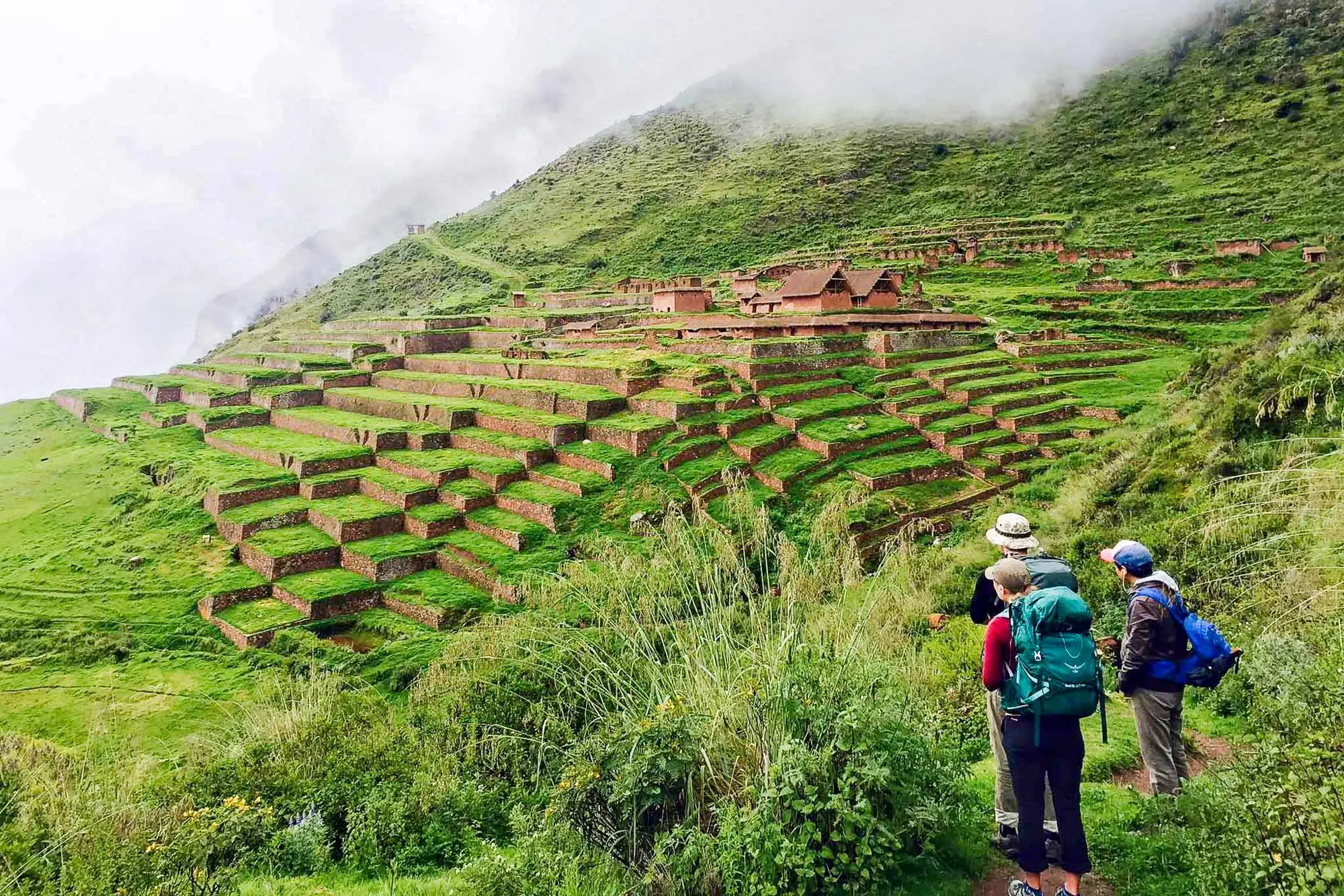
- Terrace farming systems to prevent landslides and support agriculture
- Dry-stone masonry, where stones are cut so precisely they fit without mortar
- Sophisticated drainage systems to handle heavy rainfall
- Strategic urban design aligned with natural ridges and sacred peaks
These techniques reduced structural failure and allowed construction to progress efficiently—even in a seismic region.
Why It Was Built So Fast (By Ancient Standards)
Compared to other ancient civilizations, Machu Picchu’s construction speed was remarkable. Several factors contributed:
- Centralized Inca political power under Pachacuti
- Highly organized labor distribution across the empire
- Pre-existing engineering knowledge from earlier Inca sites
- Urgent need for a royal retreat and ceremonial hub
Instead of starting from scratch in every aspect, the Incas refined existing architectural traditions, speeding up the process significantly.
A Living Legacy of Precision and Time
So, how long did it really take to build Machu Picchu?
- Core construction: ~10–20 years
- Ongoing expansion and refinement: Several decades
- Engineering legacy: Still influencing architecture today
What makes Machu Picchu extraordinary is not just the timeline—but the fact that it was built without wheels, iron tools, or modern machinery, yet still stands as one of the most precise architectural achievements in human history.
If you’re exploring Inca civilization history, ancient construction techniques, or planning a visit to Peru, Machu Picchu remains a timeless example of what human coordination and ingenuity can achieve in a relatively short period of time.