The Inca civilisation built one of the most remarkable agricultural systems in history. Stretching across the rugged Andes Mountains of South America, the Incas transformed challenging landscapes into highly productive farmland that sustained millions of people. Through advanced farming methods, innovative irrigation systems, and carefully selected crops, they created an agricultural network that became the foundation of their powerful empire.
If you’ve ever wondered what crops the Incas grew, the answer reveals an impressive story of resilience, sustainability, and agricultural innovation that still influences modern farming today.
The Importance of Agriculture in Inca Civilisation
Agriculture was at the heart of daily life in the Inca world. The empire depended on successful harvests to support growing populations, maintain food reserves, and strengthen economic stability.
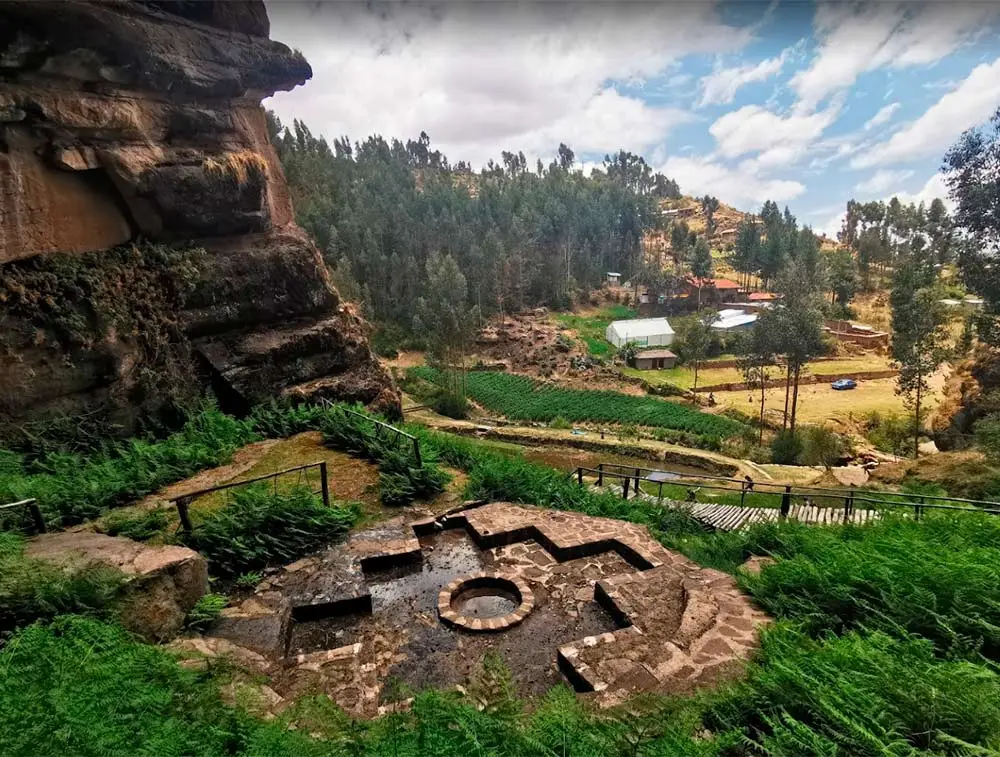
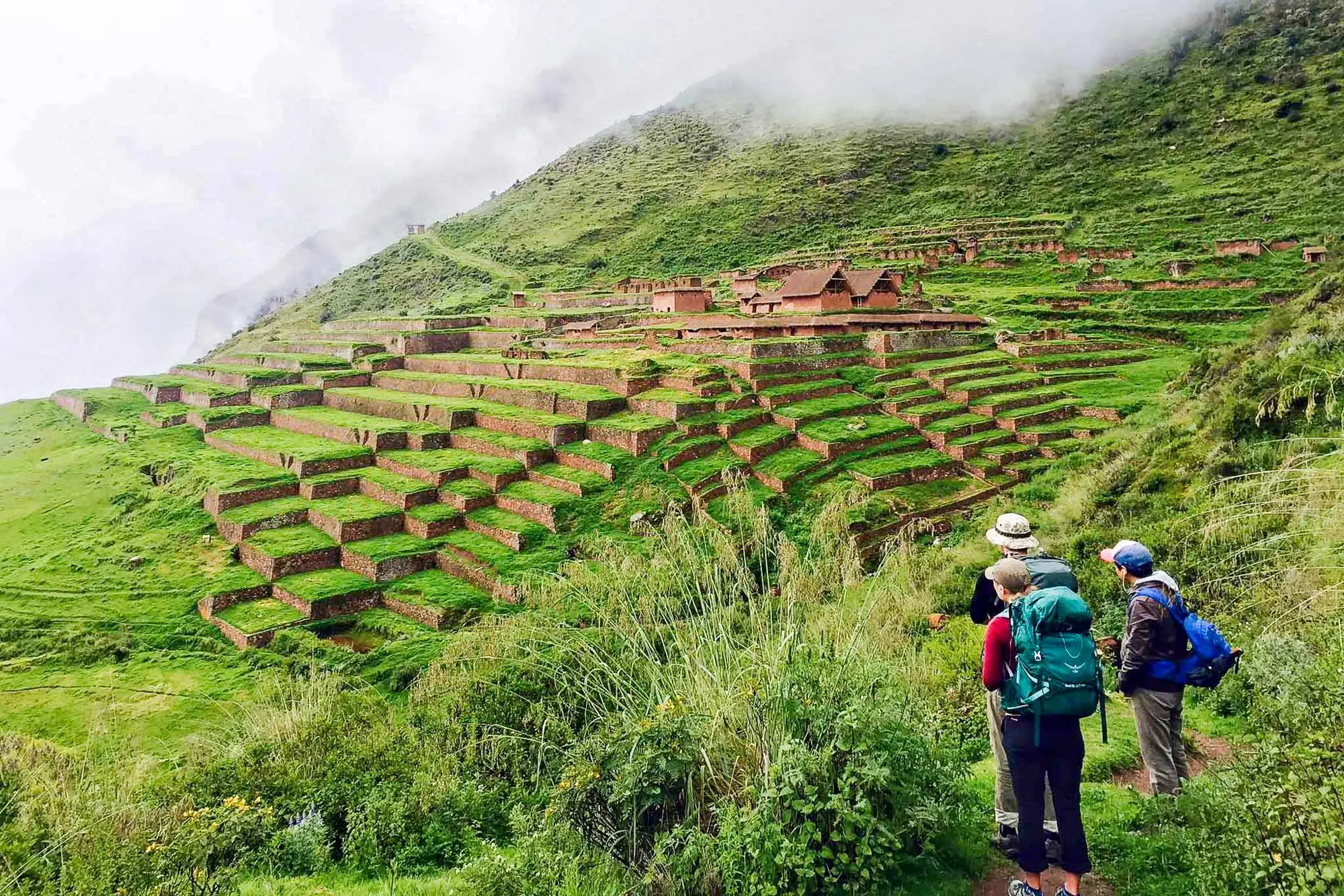
Living across varying altitudes meant the Incas needed crops capable of thriving in different climates. To solve this challenge, they developed terrace farming, turning steep mountain slopes into productive growing spaces while reducing soil erosion and conserving water.
Their agricultural expertise allowed them to cultivate a diverse range of nutrient-rich crops that remain globally important today.
Potatoes: The Inca Empire’s Most Famous Crop
Among all Inca crops, potatoes were arguably the most important.
The Andes are considered the original home of the potato, and the Incas cultivated hundreds of varieties adapted to different elevations and weather conditions. Potatoes became a reliable food source because they were nutritious, easy to grow, and suitable for long-term storage.
The Incas also developed a preservation method known as freeze-drying, creating a product called chuño, which could last for years.
Why potatoes mattered:
- High in carbohydrates and energy
- Grew well at high altitudes
- Stored for long periods
- Supported food security across the empire
Today, potatoes remain one of the world’s most widely consumed crops.
Maize (Corn): A Valuable Staple and Ceremonial Crop
Another major crop grown by the Incas was maize, commonly known as corn.
Unlike potatoes, maize thrived in lower and warmer valleys. The Incas valued maize not only as food but also for religious ceremonies and celebrations.
Maize was used in:
- Daily meals
- Traditional drinks
- Community gatherings
- Ceremonial offerings
This versatile crop became an important symbol of prosperity and abundance.
Quinoa: The Ancient Superfood of the Andes
Long before quinoa became a global health trend, the Incas recognised its exceptional nutritional value.
Often called the “mother grain”, quinoa provided protein, fibre, minerals, and essential nutrients. Its ability to survive difficult mountain conditions made it especially valuable.
Benefits of quinoa cultivation:
- Excellent source of plant protein
- Adapted to cold climates
- Required relatively little water
- Supported balanced nutrition
Today, quinoa continues to be celebrated worldwide as a nutrient-dense ancient grain.
Beans, Peppers, and Other Essential Inca Crops
The Incas cultivated many additional crops to diversify their diet and improve food security.
Important secondary crops included:
- Beans – supplied protein and complemented staple foods
- Chili peppers – added flavour and culinary variety
- Squash – offered nutrients and storage potential
- Peanuts – grown in suitable lower-altitude regions
- Cassava – cultivated in warmer areas of the empire
This crop diversity reduced agricultural risk and helped communities adapt to changing conditions.
Terrace Farming: The Secret Behind Inca Agricultural Success
One of the most remarkable aspects of Inca farming was not just what they grew—but how they grew it.
Their famous stone terraces created flat planting areas on mountainsides, improving drainage and capturing valuable sunlight.
Advantages of Inca terrace farming:
- Reduced soil erosion
- Conserved water resources
- Expanded available farmland
- Protected crops from temperature fluctuations
This sophisticated approach allowed the Incas to maximise yields across diverse landscapes.
The Lasting Legacy of Inca Agriculture
The crops grown by the Incas shaped one of history’s most successful civilisations and continue to influence global food systems today. From potatoes and quinoa to maize and beans, their farming innovations demonstrated how sustainable agriculture can thrive even in challenging environments.
Modern farmers, historians, and food enthusiasts still study Inca agricultural practices for lessons in resilience, biodiversity, and environmental adaptation.
The next time you enjoy potatoes, corn, or quinoa, you’re tasting part of a farming legacy that began high in the Andes centuries ago.