What Did the Incas Eat?
Discover the Ancient Diet of the Andes
The Inca civilization, one of the most advanced pre-Columbian cultures in South America, thrived high in the Andes Mountains for centuries. Their empire stretched across present-day Peru, Ecuador, Bolivia, Chile, and Argentina. But what gave the Incas the strength to build Machu Picchu, create complex roads, and sustain vast populations?
The answer lies in their nutritious, balanced, and sustainable diet — a diet rooted in nature and respect for the land.
At InkaExpeditions.com, we often get asked: “What did the Incas eat?” Let’s explore the foods that fueled one of the greatest civilizations in history.
Corn (Maíz): The Sacred Grain
Corn, or maíz, was one of the Incas’ most sacred crops. It wasn’t just food — it was part of their religion and daily rituals. Corn was used to make chicha, a traditional fermented drink still popular in the Andes today.
Different varieties of corn, from golden yellow to deep purple, were grown at various altitudes, showing the Incas’ remarkable agricultural adaptation.
Potatoes: The Heart of the Incan Diet
The Inca Empire was the birthplace of the potato. With over 3,000 varieties cultivated in the Andes, potatoes were a dietary cornerstone.
The Incas mastered the art of preservation, creating chuño — a freeze-dried potato that could last for years. This technique allowed them to survive harsh winters and long journeys through the mountains.
Even today, Andean communities maintain this ancient practice, keeping Inca food traditions alive.
Quinoa and Amaranth: Ancient Superfoods
Long before quinoa became a global health trend, it was a sacred grain of the Incas. Known as the “mother grain,” quinoa provided essential protein and nutrients that sustained Incan warriors and farmers alike.
Similarly, amaranth was another high-protein seed used in porridges and ceremonial dishes. Together, these grains formed a vital part of the Inca diet — balanced, plant-based, and nutrient-dense.
Legumes, Vegetables & Fruits
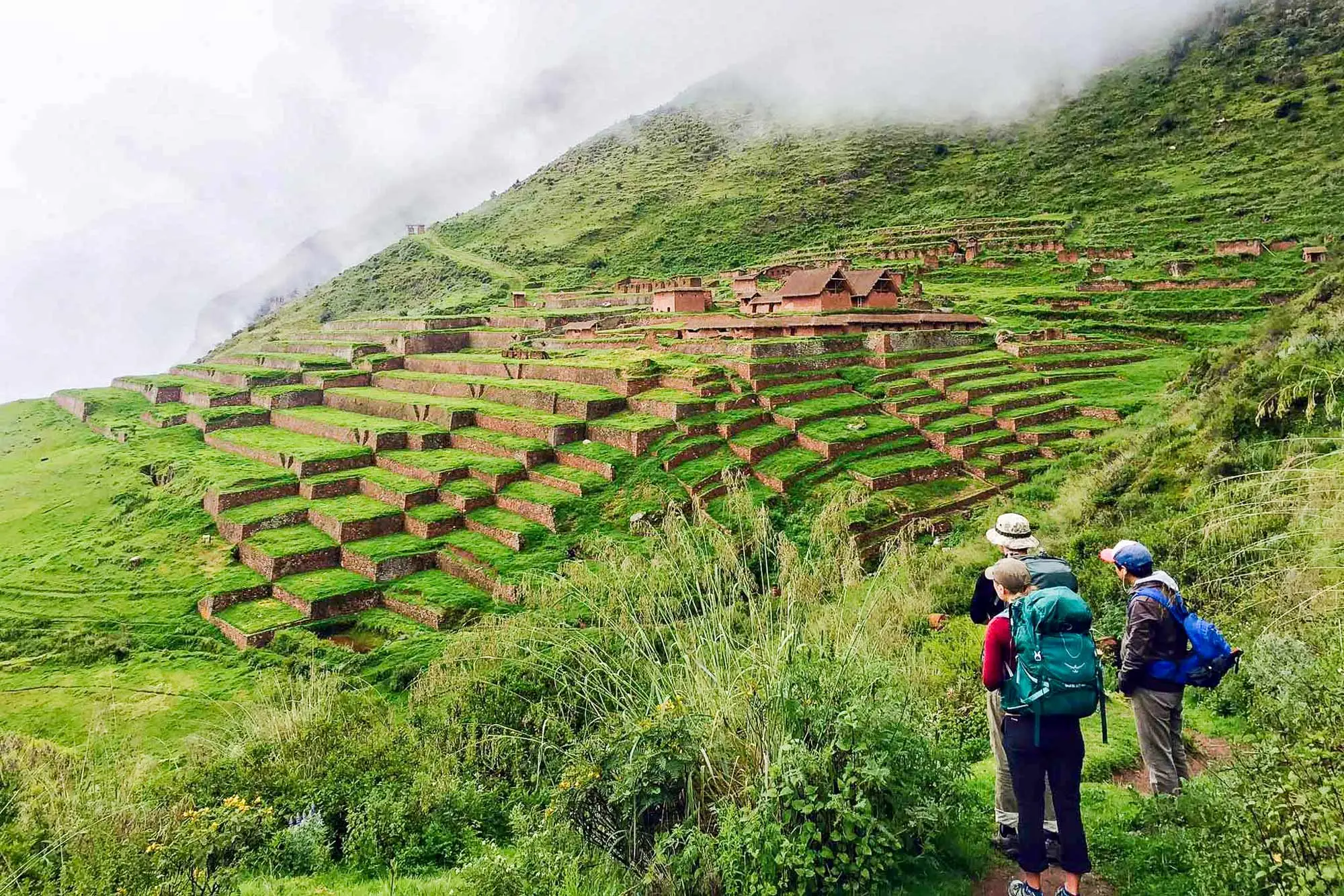
Beans, oca, mashua, and tarwi were common legumes and root vegetables cultivated on Incan terraces. These provided protein, fiber, and vitamins essential for survival at high altitudes.
The Incas also enjoyed Andean fruits like lucuma, chirimoya, and tumbo, which added sweetness and nutrition to their meals. Every region of the empire offered something unique — from the tropical fruits of the Amazon to the hardy crops of the highlands.
Meat & Protein Sources
While the Incan diet was mostly plant-based, they did consume meat — mainly from llamas, alpacas, and guinea pigs (cuy). These animals provided not only protein but also wool and transportation.
In coastal regions, fish and seafood were key protein sources, traded along Inca roads that connected the mountains to the sea.
Preservation & Sustainability
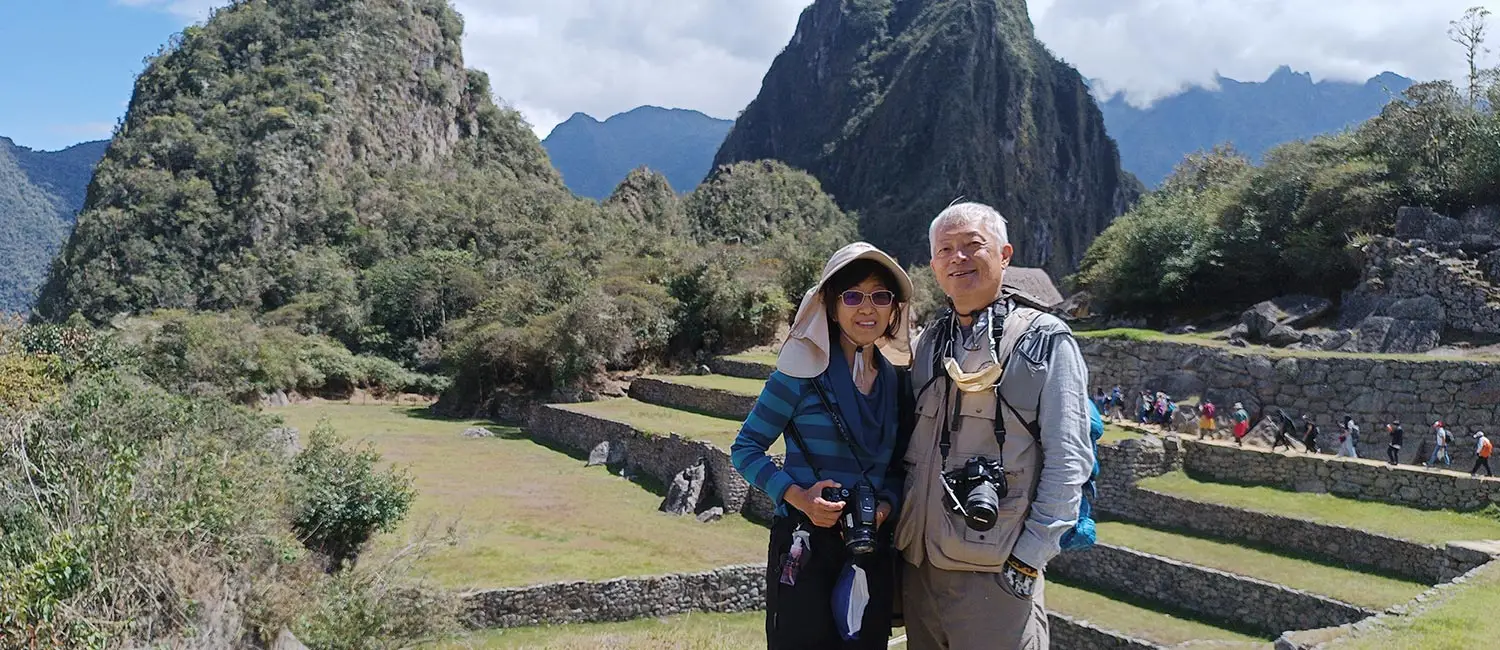
One of the Incas’ greatest achievements was their innovative food preservation. They built storehouses (qullqas) at high altitudes where cold air preserved grains and dried meats.
Techniques like sun-drying and freeze-drying allowed them to store food for long periods, ensuring stability during droughts or conflicts. Their respect for the Earth and resource management remain lessons in sustainability.
The Legacy of Inca Food Today
Modern Peruvian cuisine — known globally for its diversity and flavor — owes much to the Incas. Dishes like papa a la huancaína, quinoa soup, and chicha morada all have ancient roots.
When you travel through the Sacred Valley or Cusco with InkaExpeditions.com, you’ll taste these traditions firsthand and learn how they continue to nourish Andean culture today.
Experience the Inca World with Inka Expeditions
The Incan diet was more than just sustenance — it was a reflection of their harmony with nature. Their knowledge of farming, preservation, and nutrition continues to inspire the world.
Join InkaExpeditions.com to explore the heart of Inca civilization. Discover ancient terraces, traditional farms, and authentic Andean cuisine as you walk the same paths once traveled by the Children of the Sun.