Why Were Inca Roads So Impressive? The Untold Wonders of an Ancient Network
A Legacy Carved into the Andes
The Inca Empire, once the largest in the Americas, thrived because of its ability to connect people, cultures, and resources. At the heart of this achievement lay their intricate road system. These ancient highways, stretching across mountains, valleys, and deserts, were the backbone of the empire’s success.
Even centuries later, travelers and historians remain fascinated. The question persists: why were Inca roads so impressive? The answer lies in their design, engineering, and impact on civilization.
The Vast Scale of the Network
The Inca road system, known as the Qhapaq Ñan, spanned more than 25,000 miles. This extensive web of pathways connected far-flung corners of the empire, from modern-day Colombia down to Chile and Argentina.
Such a feat is astonishing, considering the rugged landscapes the roads had to cross. These weren’t simple dirt tracks—they were carefully constructed highways that linked mountains, coasts, and jungles.
Mastering Mountainous Terrain
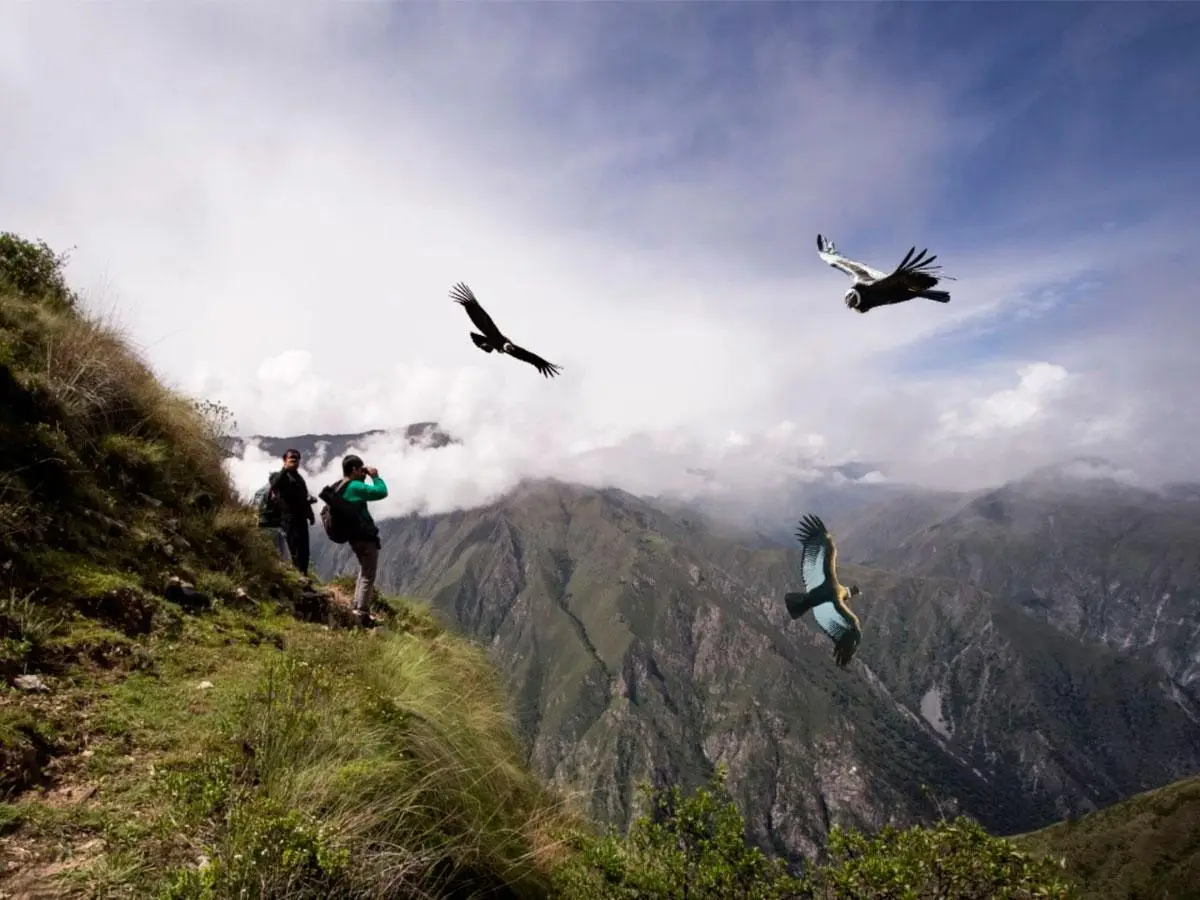
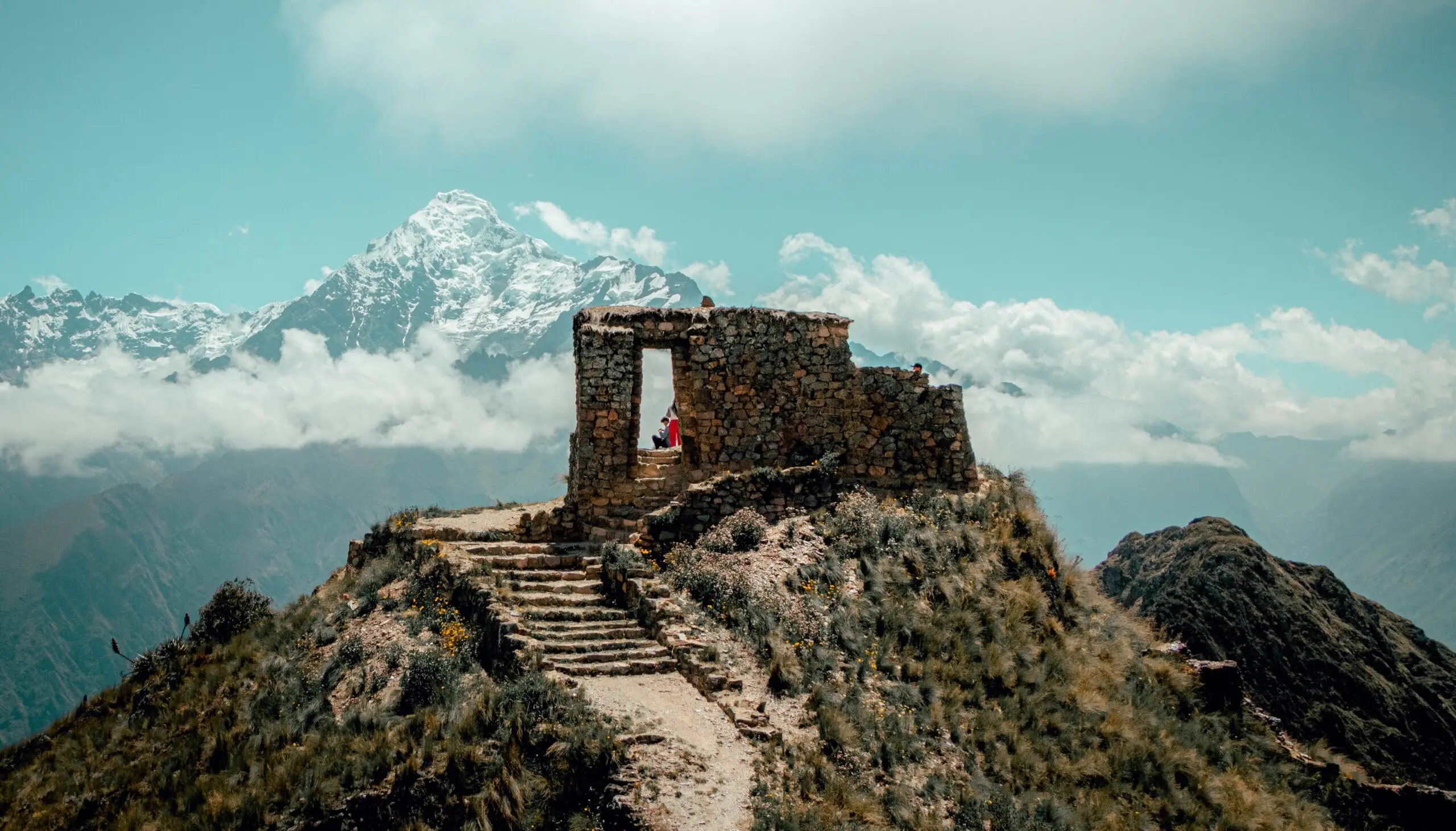
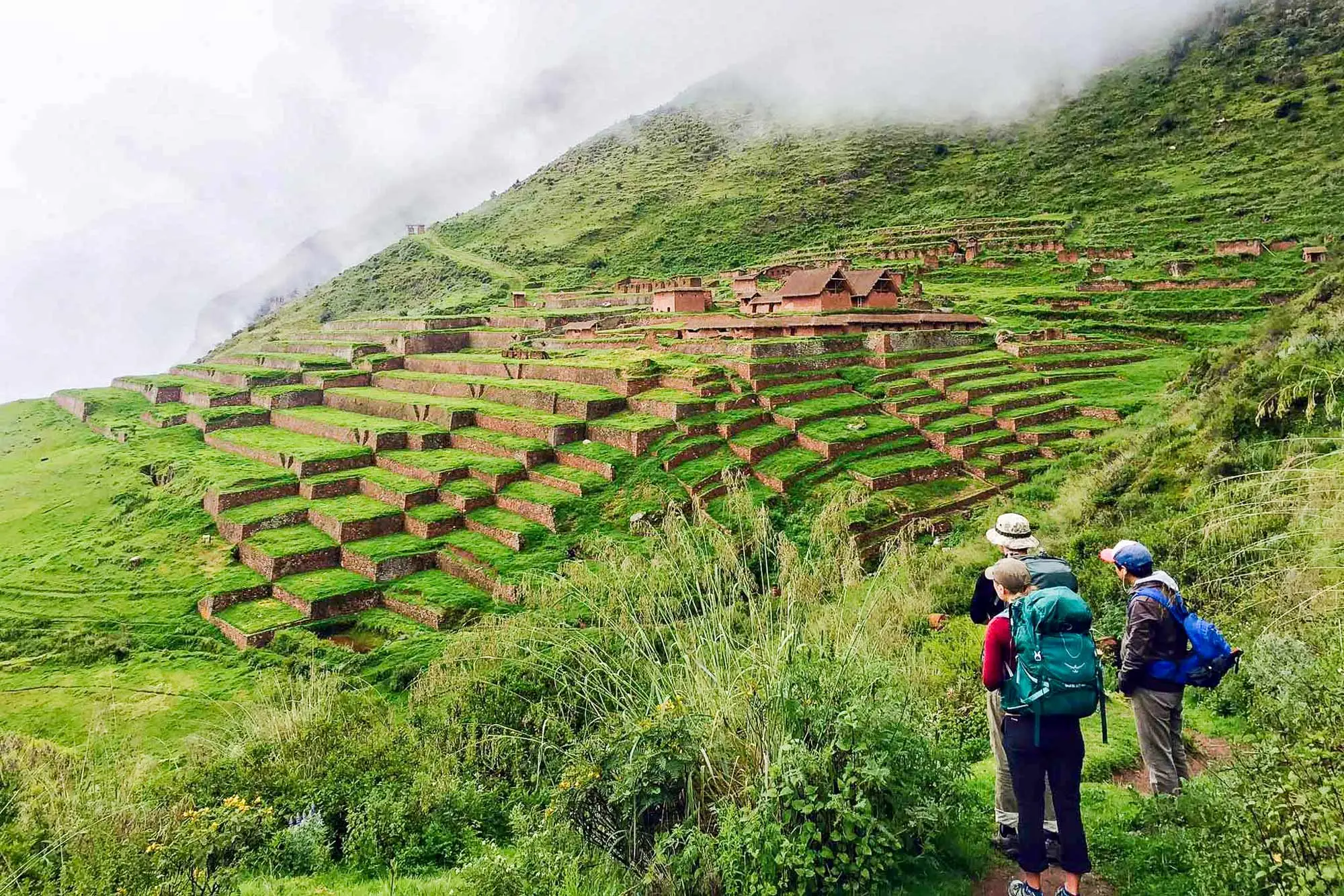
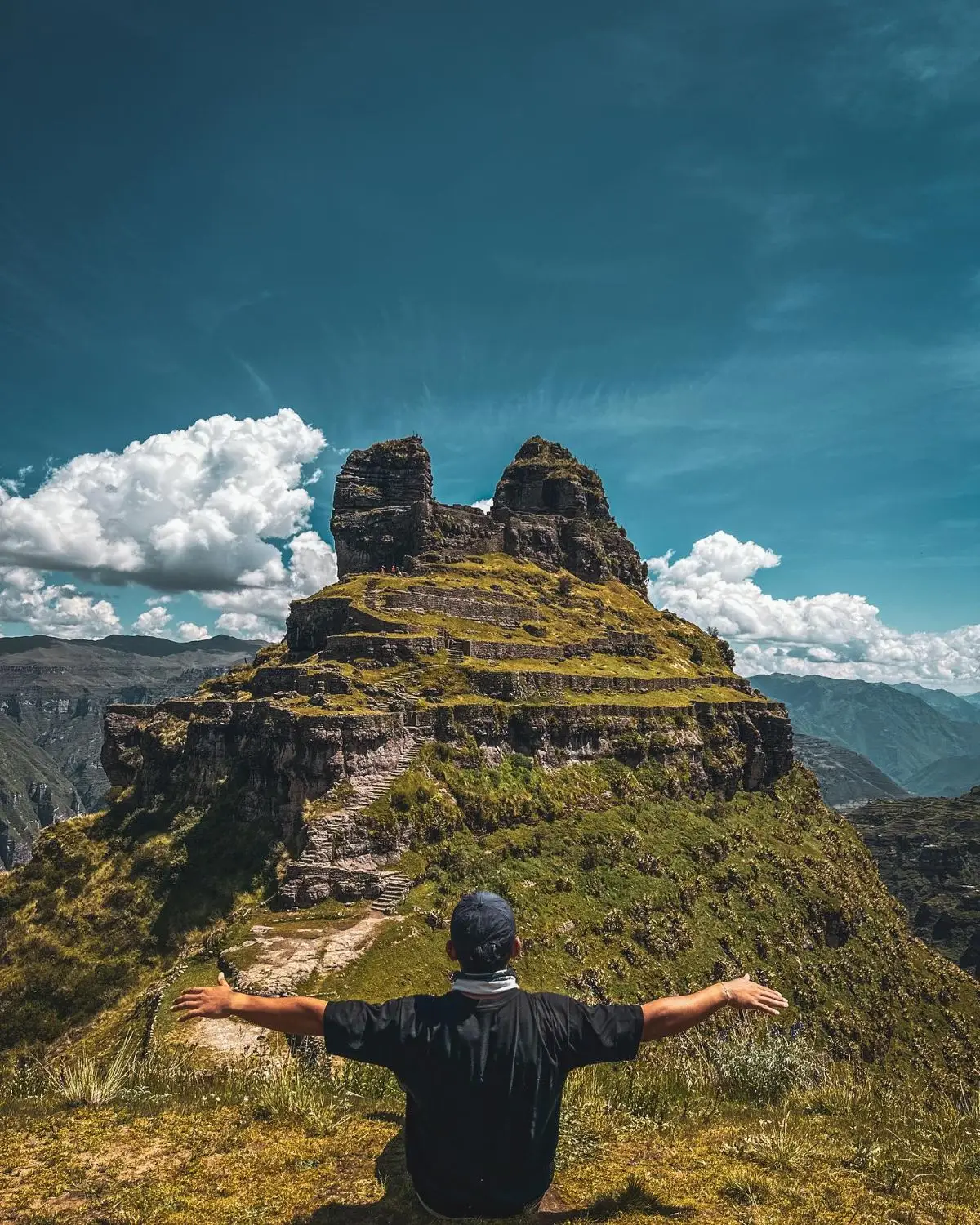
One of the most remarkable aspects was how the Inca adapted their roads to the dramatic Andean environment. They carved trails into cliffs, built suspension bridges over raging rivers, and created stone steps ascending steep slopes.
Rather than avoiding obstacles, they embraced them with innovative techniques. This flexibility demonstrates not only engineering genius but also resilience in the face of nature’s extremes.
Built to Last
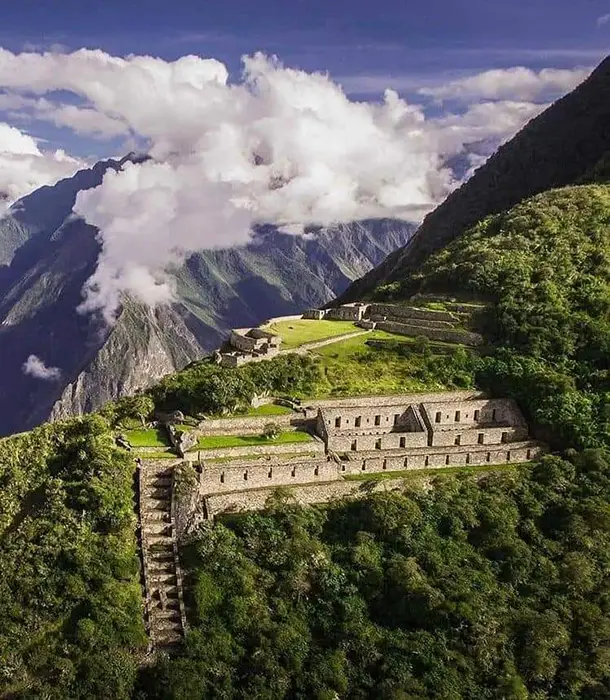
Inca roads weren’t temporary solutions. Many sections remain intact today, a testament to their durability. Builders used stone paving, retaining walls, and effective drainage systems to withstand weather and erosion.
Their careful construction ensured that these roads survived centuries of earthquakes, floods, and heavy use. This longevity alone sets them apart from many other ancient road systems around the world.
Supporting a Mighty Empire
The true brilliance of these roads lies in their role in empire building. The Inca used them to move armies quickly, ensuring control over vast territories. They also enabled efficient communication through the chasquis—messengers who ran in relays.
By connecting communities, the roads facilitated the flow of goods, labor, and ideas. They were not just paths; they were lifelines that held the empire together.
Ingenious Bridges and Pathways
Where the terrain demanded, the Inca built suspension bridges woven from natural fibers like ichu grass. These structures spanned deep gorges and rivers, allowing safe passage across dangerous landscapes.
Although fragile-looking, these bridges were remarkably strong and regularly maintained by local communities. Their design was so effective that it inspired engineers long after the empire fell.
Roads as Sacred Pathways
Beyond their practical use, Inca roads held spiritual significance. Many routes connected to sacred sites, temples, and ceremonial centers. Walking these paths was more than travel—it was a journey through the spiritual heart of the empire.
Thus, the roads represented both physical and cultural unity. They connected not only people and resources but also belief systems and traditions.
A System Ahead of Its Time
When comparing the Inca road network to those of other civilizations, its sophistication stands out. While the Romans also built extensive roads, the Incas achieved their marvels without the wheel or draft animals.
This makes their accomplishments even more astonishing. With limited technology, they created a system that rivaled—and in some cases surpassed—other great road networks in history.
Lessons for the Modern World
Today, many archaeologists and engineers study Inca roads to learn sustainable building methods. Their reliance on local materials, community maintenance, and environmental adaptation offers valuable insights for modern infrastructure projects.
In a time of climate change and fragile ecosystems, the Inca approach reminds us that durability and harmony with nature are not opposing goals. Instead, they can work hand in hand.
Final Thoughts: Roads of Stone, Paths of Legacy
So, why were Inca roads so impressive? They weren’t just engineering marvels; they were cultural arteries, economic engines, and spiritual pathways. Their vastness, adaptability, and resilience set them apart as one of humanity’s greatest achievements.
Walking along these ancient routes today, one can still feel the echoes of the empire that built them. The roads remind us that ingenuity, determination, and respect for the environment can create wonders that last through the ages.