Are you dreaming of standing at the Sun Gate, gazing out at the ancient city of Machu Picchu after an epic mountain trek? If so, the legendary Inca Trail is probably on your bucket list. This iconic route is more than just a hike—it’s a journey through history, culture, and some of the most breathtaking landscapes on Earth.
Whether you’re a first-time trekker or a seasoned traveler looking to experience Peru’s most famous adventure, this guide will walk you through the 6 essential things you must know before hiking the Inca Trail to Machu Picchu.
Let’s dive in.
1. Book Early – Permits Sell Out Fast
One of the most important things to know is this: permits are limited. The Peruvian government allows only 500 people per day on the trail, including guides and porters.
That means spots for trekkers can sell out months in advance—especially during peak season (May to September). Booking through a licensed tour operator like Inka Trail Expeditions ensures your spot is secured and all logistics are taken care of.
Pro tip: Book at least 4 to 6 months in advance. Don’t wait until the last minute!
2. The Trek Is Challenging—but Doable
While the Inca Trail is not a technical climb, it is physically demanding. The trail stretches about 42 kilometers (26 miles) over four days, reaching altitudes of up to 4,200 meters (13,800 feet) at Dead Woman’s Pass.
Expect steep climbs, long descents, and unpredictable weather. However, with proper preparation and a good pace, most reasonably fit beginners complete the trek successfully.
Tip: Spend at least 2-3 days acclimating in Cusco before starting the trail to avoid altitude sickness.
3. Pack Light—But Smart
Your gear can make or break your trek. While porters often carry the bulk of your equipment, you’ll still need to carry your own daypack with essentials like:
-
Water
-
Snacks
-
Rain jacket
-
Sunscreen
-
Toilet paper
-
Layers for changing weather
Most tour operators like Inka Trail Expeditions provide a packing list and even offer equipment rental. Keep your personal load under 7kg, including sleeping bag and mat, if you’re carrying your own.
4. You’ll Walk Through History
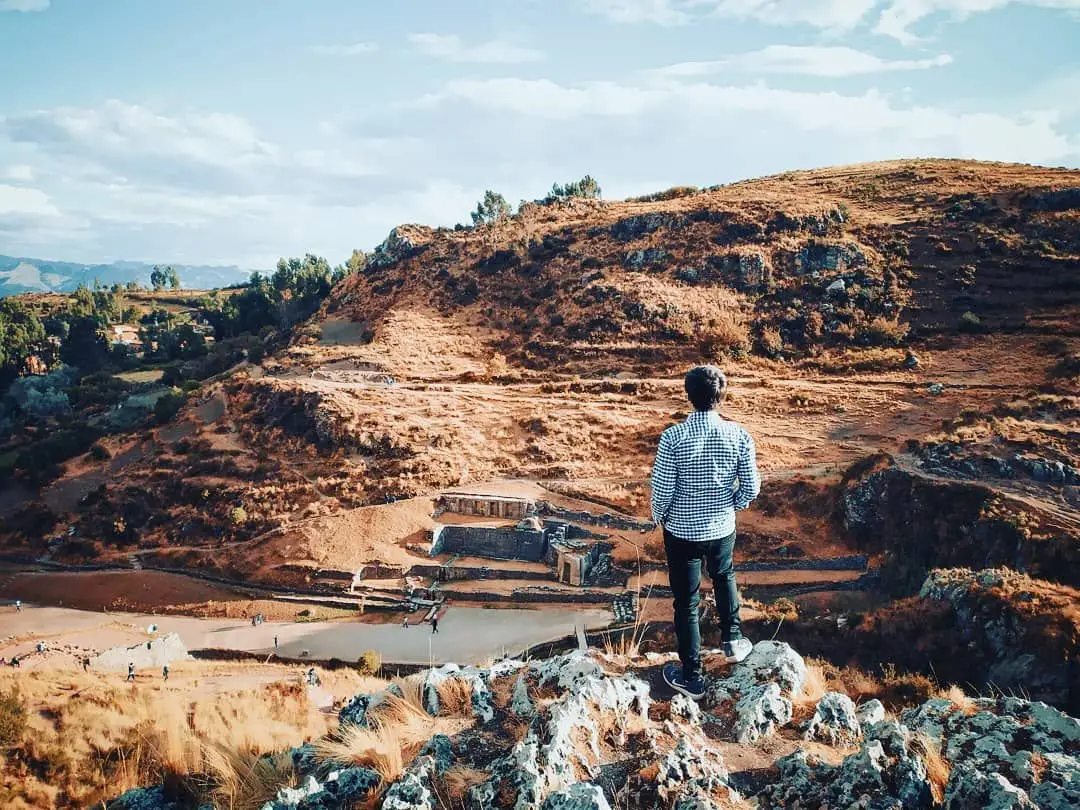
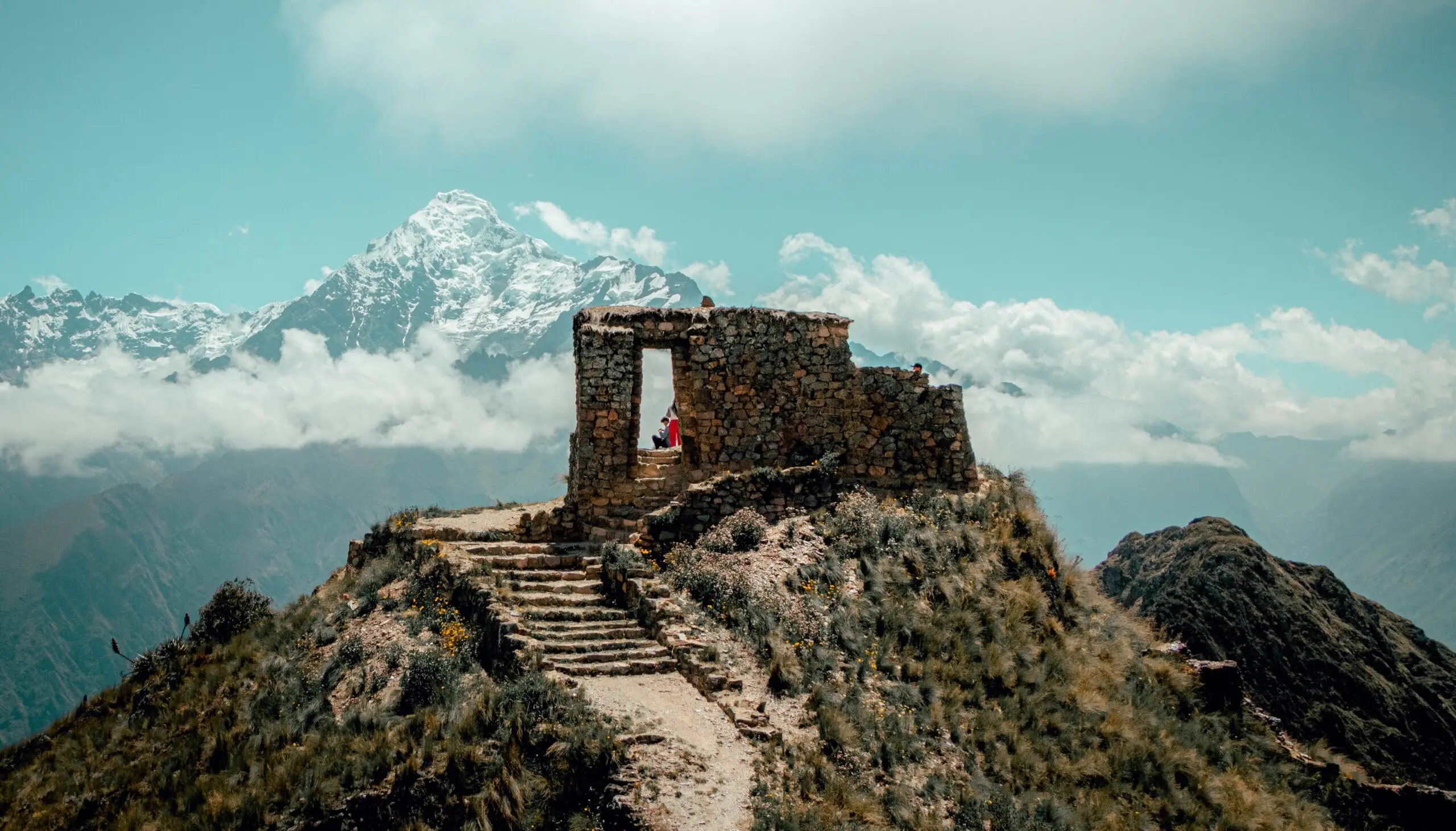
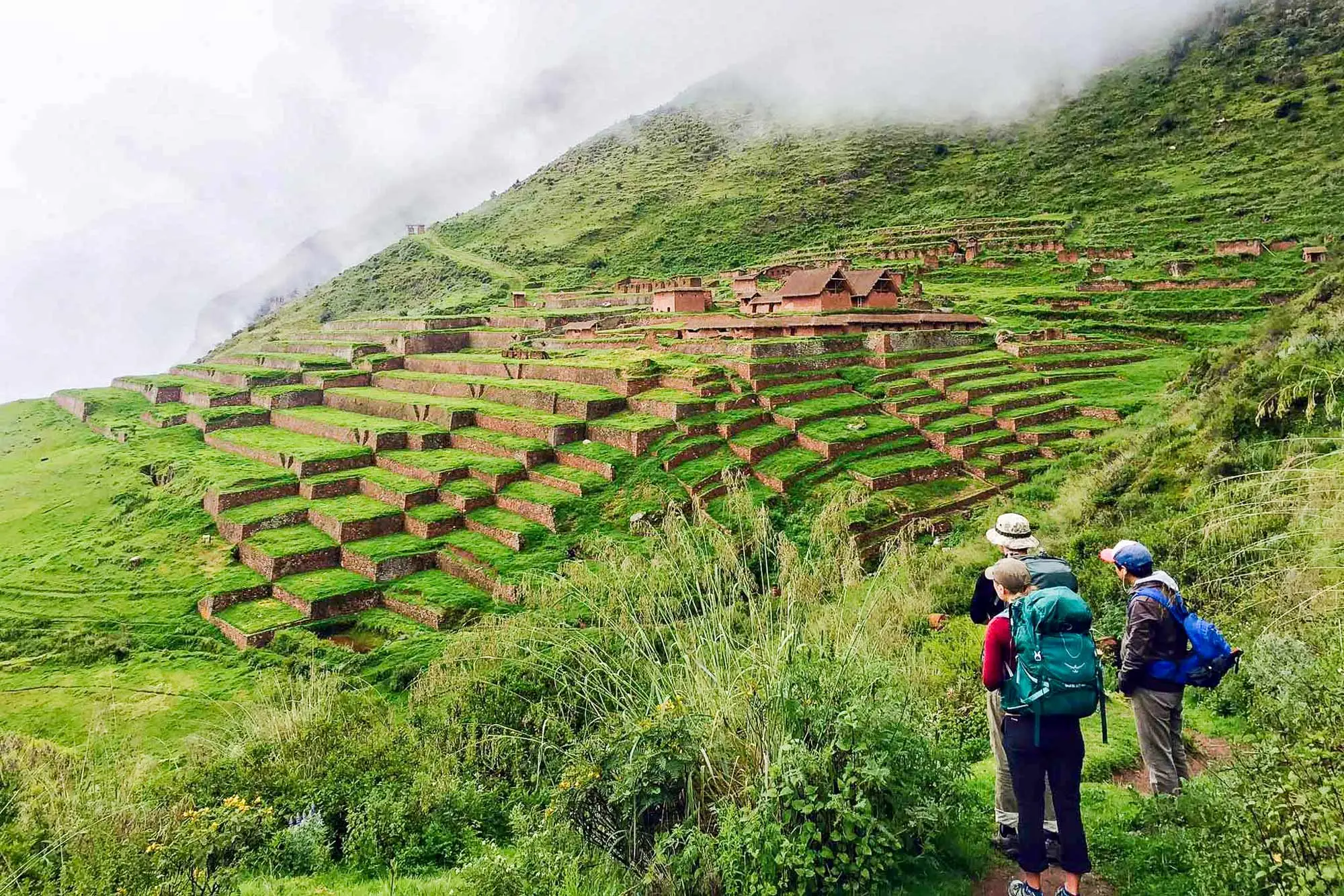
One of the most magical parts of the Inca Trail is that it’s not just a hike—it’s a walk through living history. Along the way, you’ll pass ancient ruins, Inca tunnels, and stone paths laid centuries ago.
Highlights include:
-
Llactapata – an Inca settlement with agricultural terraces
-
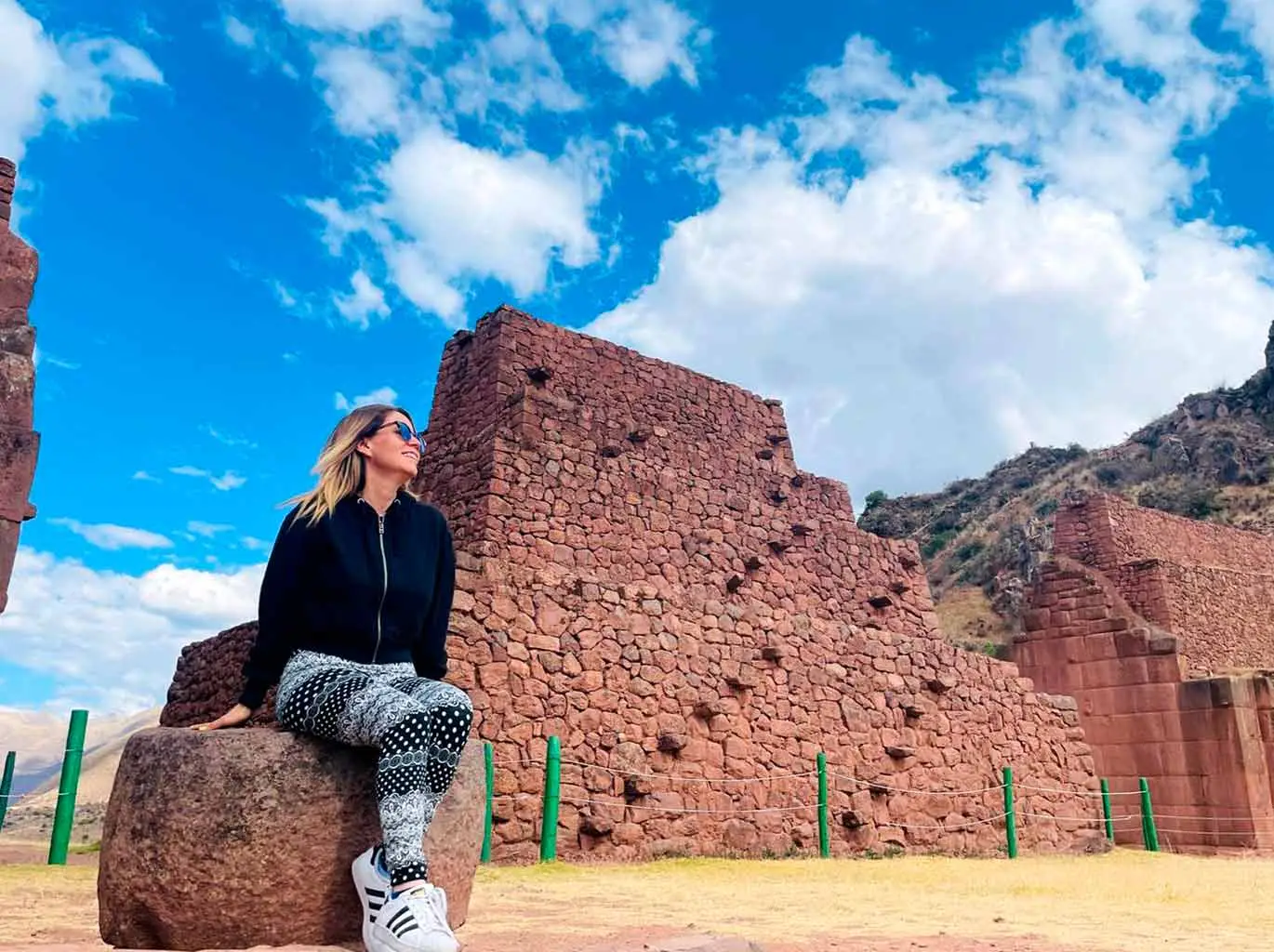
Runkurakay – a small circular ruin believed to be a watchtower
-
Sayacmarca – a dramatic fortress on a rocky promontory
Your guide will bring these stories to life, deepening your connection to the land and its culture.
5. Choose the Right Tour Company
This is not a trek to DIY. The Peruvian government requires all hikers on the Inca Trail to travel with a licensed tour operator.
When choosing, consider:
-
Group size
-
Guide experience
-
Porter treatment
-
Food quality
-
Equipment provided
Inka Trail Expeditions is one of the top-rated companies, known for its ethical porter policies, excellent guides, and attention to detail. A good company makes the difference between a stressful trip and a life-changing one.
6. The Last Day Is the Most Rewarding
After days of effort, the final stretch of the Inca Trail brings you to Inti Punku, or the Sun Gate, just as the sun rises over Machu Picchu.
That first glimpse of the lost city—bathed in morning light—is something you’ll remember forever.
Once you descend into Machu Picchu, you’ll get a guided tour and time to explore on your own. Some trekkers choose to hike Huayna Picchu or Machu Picchu Mountain afterward, but be sure to secure separate permits in advance if you’re interested.
Final Thoughts: Is the Inca Trail Worth It?
Absolutely. The Inca Trail to Machu Picchu is more than a hike—it’s a spiritual and cultural journey that challenges your body and uplifts your soul.
Whether you’re trekking to reconnect with nature, explore ancient civilizations, or simply check an item off your bucket list, this trail offers an unforgettable experience.
With the right preparation, a strong mindset, and the support of experienced operators like Inka Trail Expeditions, even first-time trekkers can conquer this legendary path.