Walking the Inca Trail: A Journey Through Time and Mountains
Introduction: Where History Meets Adventure
Walking the Inca Trail is more than just a hike—it’s a step into the past. This legendary trek through the Peruvian Andes leads explorers along ancient stone paths once used by the mighty Inca civilization. Every twist and turn unveils both breathtaking landscapes and echoes of history.
Moreover, the journey is not only about reaching Machu Picchu, but also about experiencing the unique culture, nature, and spirit of Peru. The Inca Trail allows adventurers to live the magic of travel in its purest form.
The Spirit of the Trail
The Inca Trail is not just a physical challenge; it is a spiritual awakening. As you walk through lush forests and towering peaks, you feel a deep connection to nature and the people who once walked these same paths centuries ago.
Additionally, the trail teaches patience and respect. With every step, hikers realize that they are part of something greater than themselves—a living heritage that still survives.
Preparing for the Trek
Preparation is the key to enjoying the Inca Trail. Travelers need to consider altitude, stamina, and the right gear. Good hiking boots, layered clothing, and a sturdy backpack are essential for a smooth experience.
Furthermore, booking permits in advance is crucial. Due to its popularity, the Peruvian government limits the number of daily visitors, making early planning a must.
The First Steps: Setting Out from Cusco
Most journeys begin in Cusco, the former capital of the Inca Empire. Here, travelers acclimate to the altitude while exploring vibrant streets, colorful markets, and historic ruins.
From Cusco, adventurers set off toward the trailhead at Kilometer 82, where excitement and nerves combine. This first step is the beginning of an unforgettable journey.
Nature’s Masterpiece: The Andes Mountains
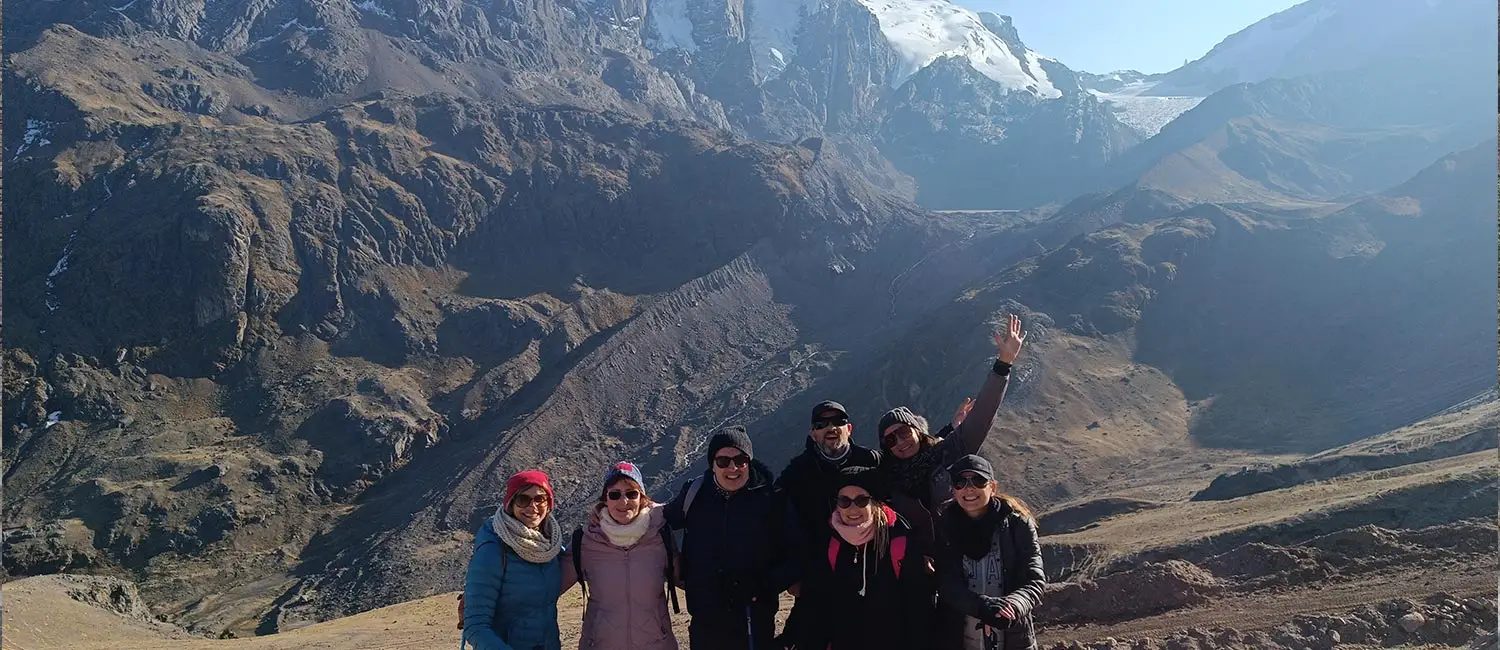
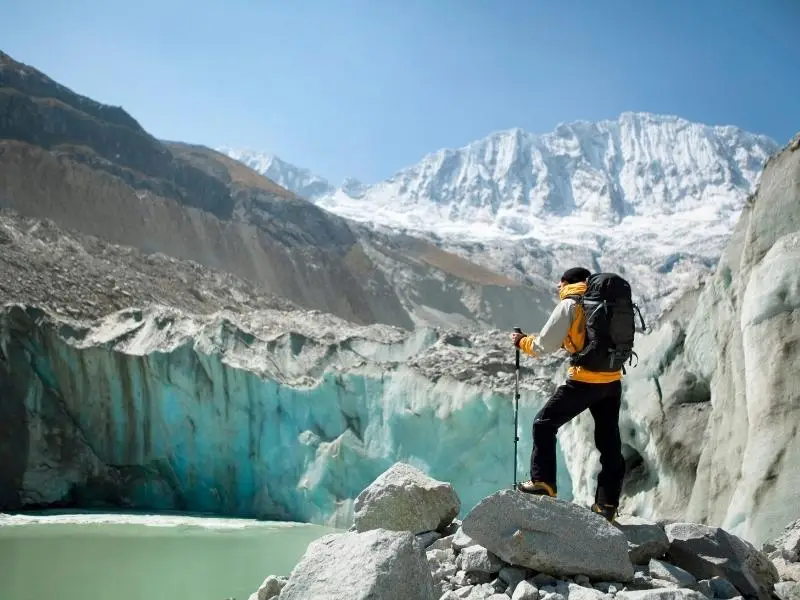
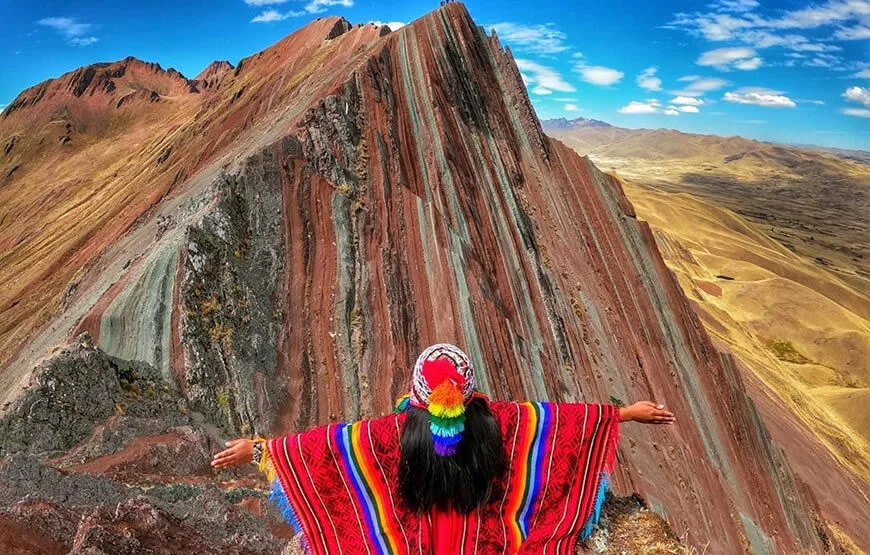
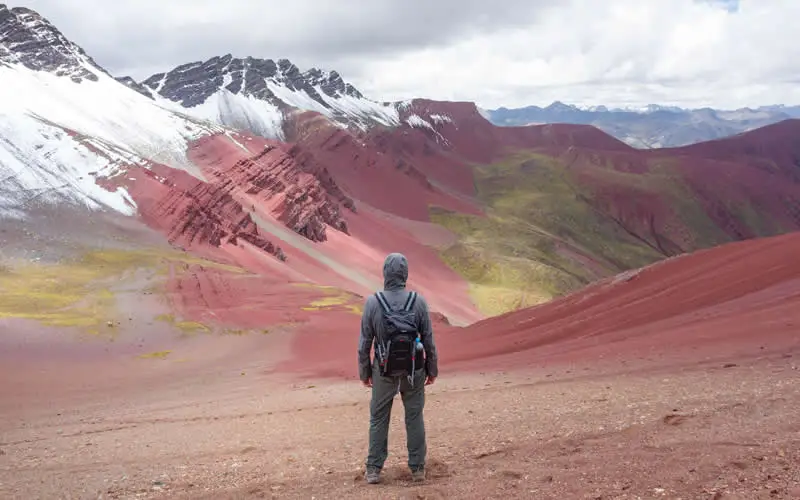
As the trail winds through the Andes, it offers unparalleled beauty. Snow-capped peaks, lush valleys, and cascading rivers paint a stunning picture. Each day brings new scenery that feels more magical than the last.
Moreover, the diverse ecosystems along the way are home to rare orchids, exotic birds, and unique wildlife. The trail feels like a natural museum, alive with wonders at every step.
Walking Through History: Ancient Inca Sites
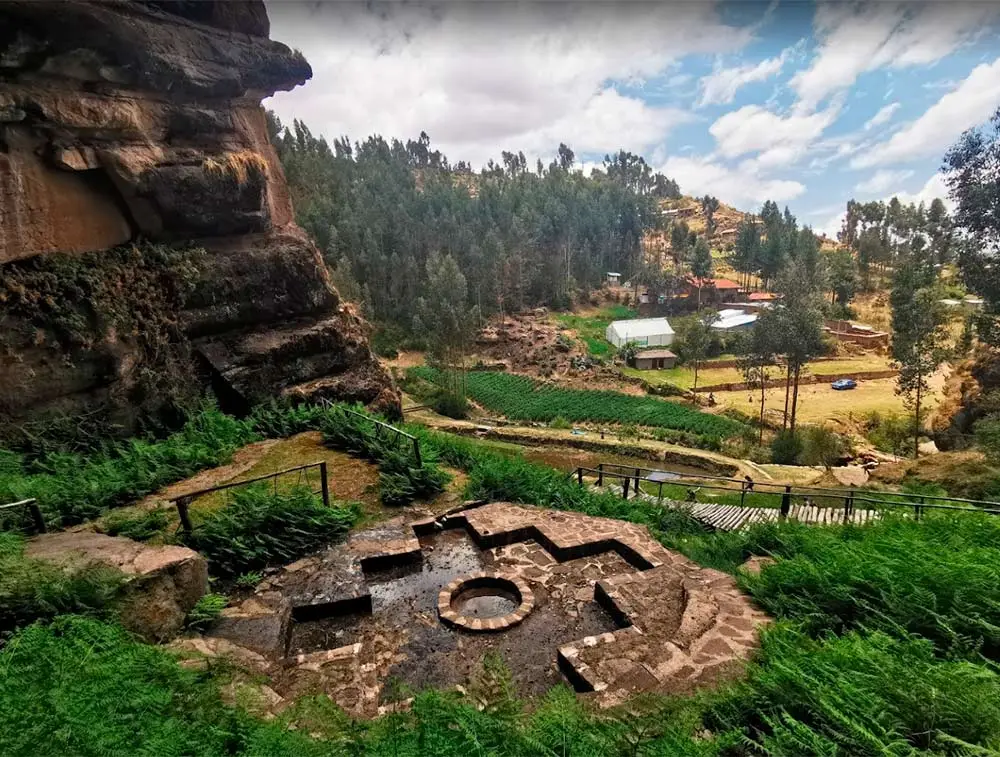
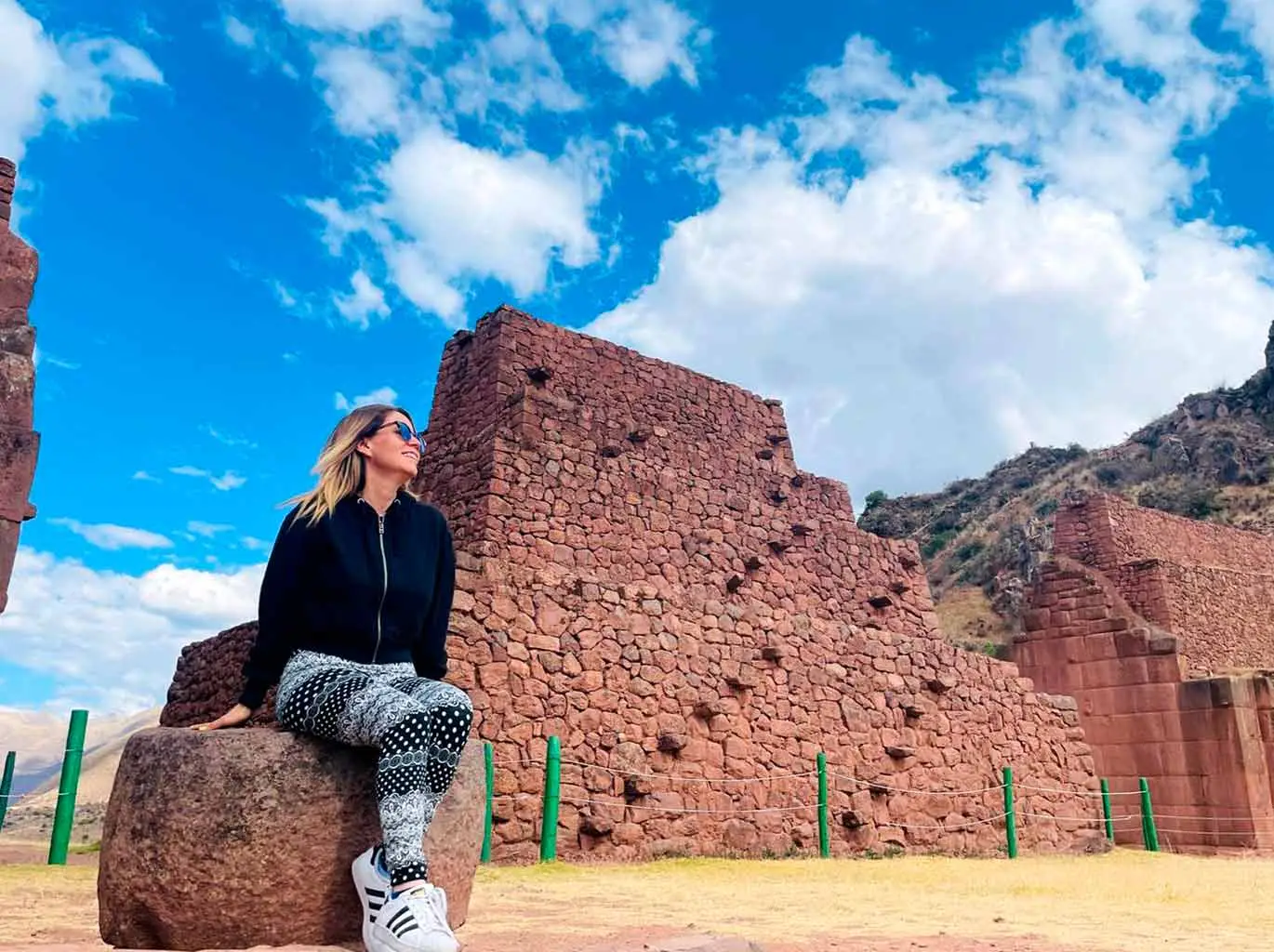
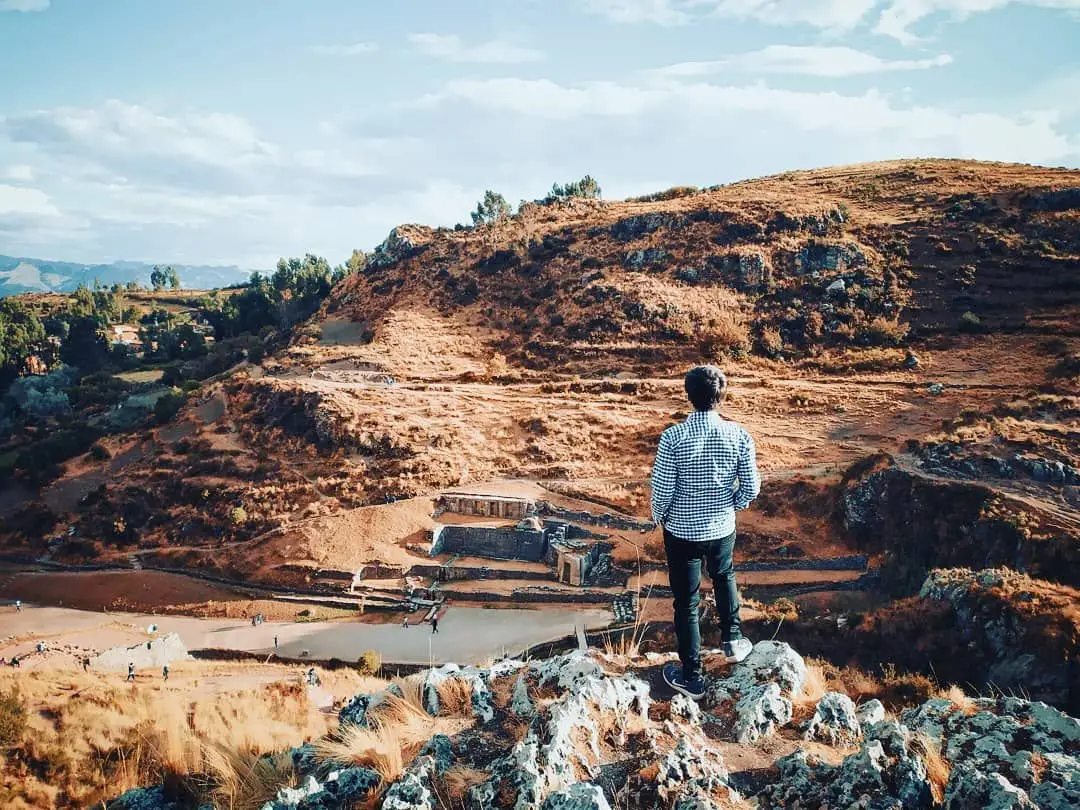
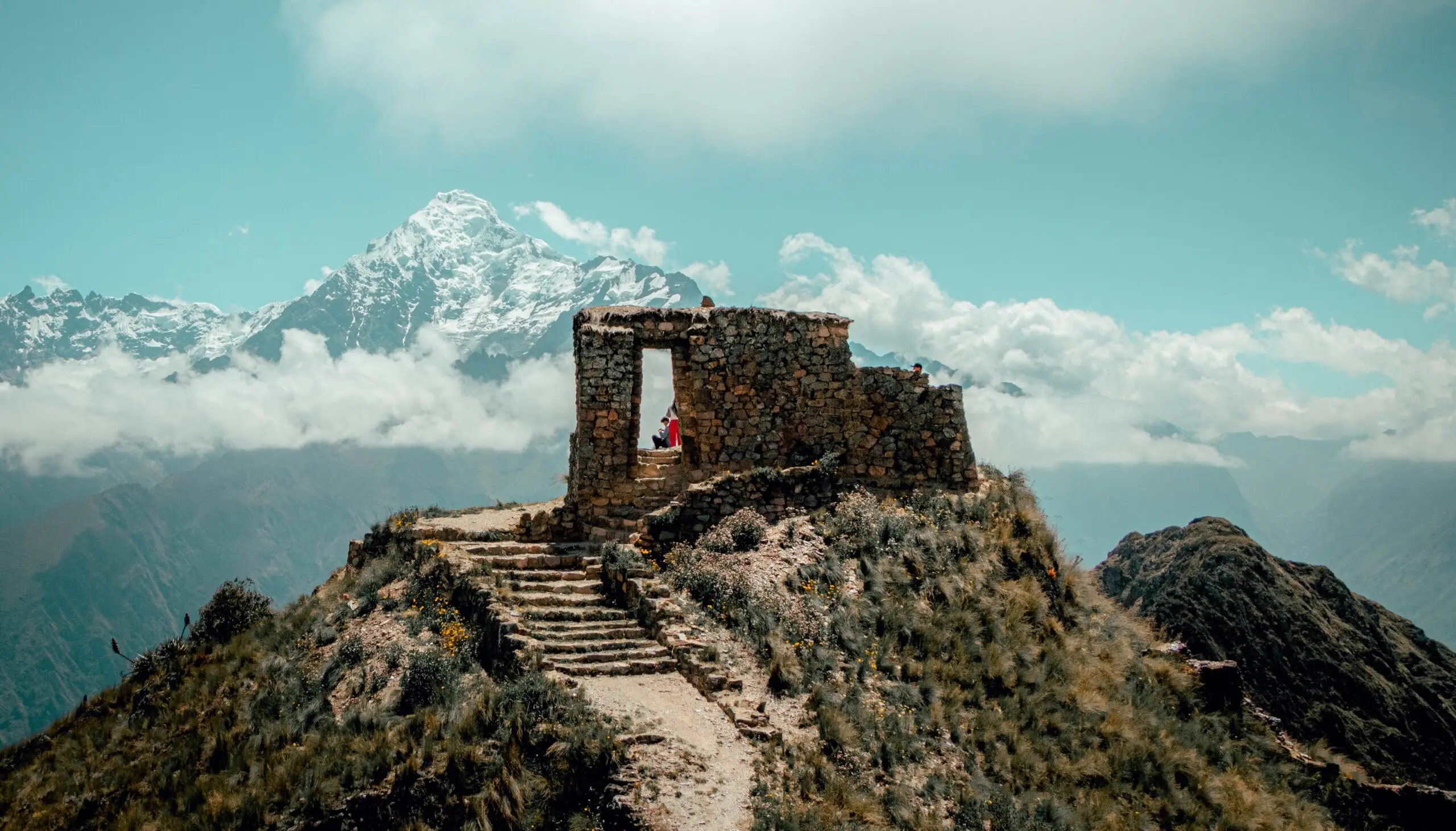
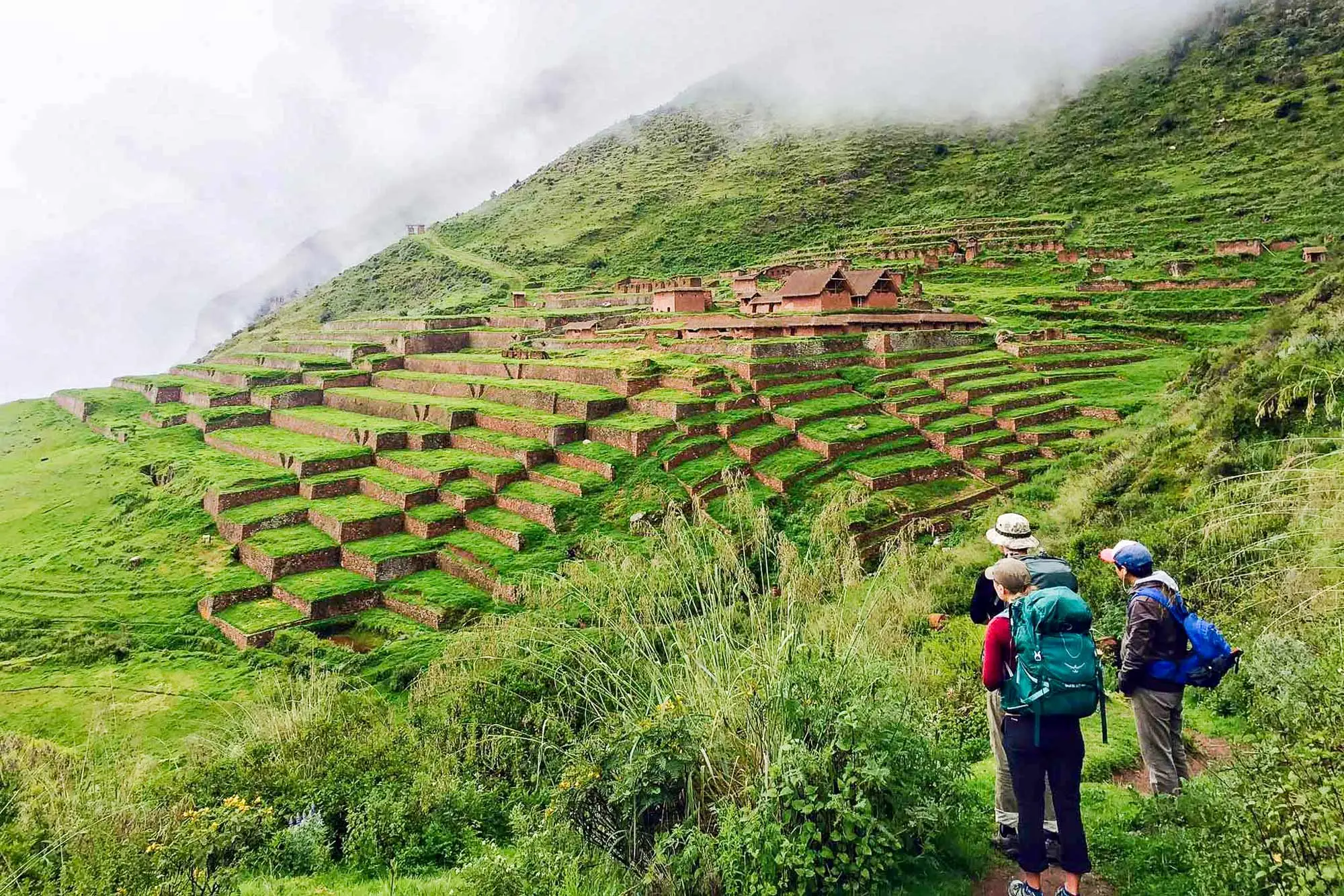
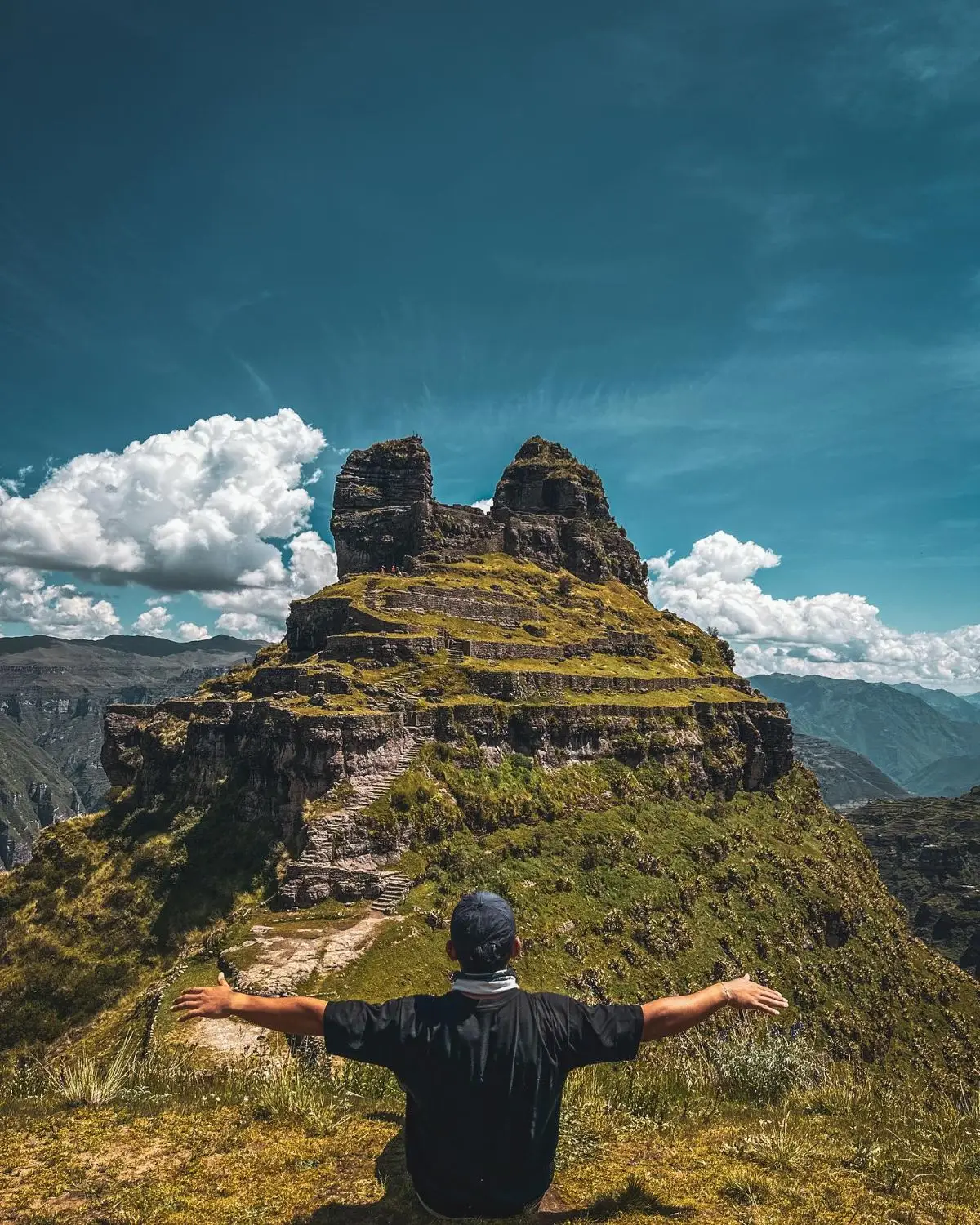
The Inca Trail is dotted with archaeological treasures. Sites such as Llactapata, Runkurakay, and Phuyupatamarca allow hikers to walk directly into the past. These stone structures stand as reminders of the empire’s engineering brilliance.
Additionally, these ruins are often surrounded by misty mountains, creating an atmosphere that feels both mystical and sacred. Every site tells a story waiting to be uncovered.
The Challenge of Dead Woman’s Pass
One of the most challenging moments of the trek is the climb to Dead Woman’s Pass, the highest point on the trail at 4,215 meters (13,828 feet). The steep ascent tests endurance and determination.
However, reaching the summit is a reward like no other. The panoramic views across the Andes inspire pride and gratitude, making every breathless step worthwhile.
The Final Stretch: Toward the Sun Gate
As the journey nears its end, anticipation builds. The trail leads toward Inti Punku, or the Sun Gate, where the first glimpse of Machu Picchu appears. For many, this moment is emotional, marking the culmination of days of effort.
At sunrise, the ancient city reveals itself in golden light. It’s a sight that words can barely capture, and one that stays in memory forever.
The Reward: Machu Picchu
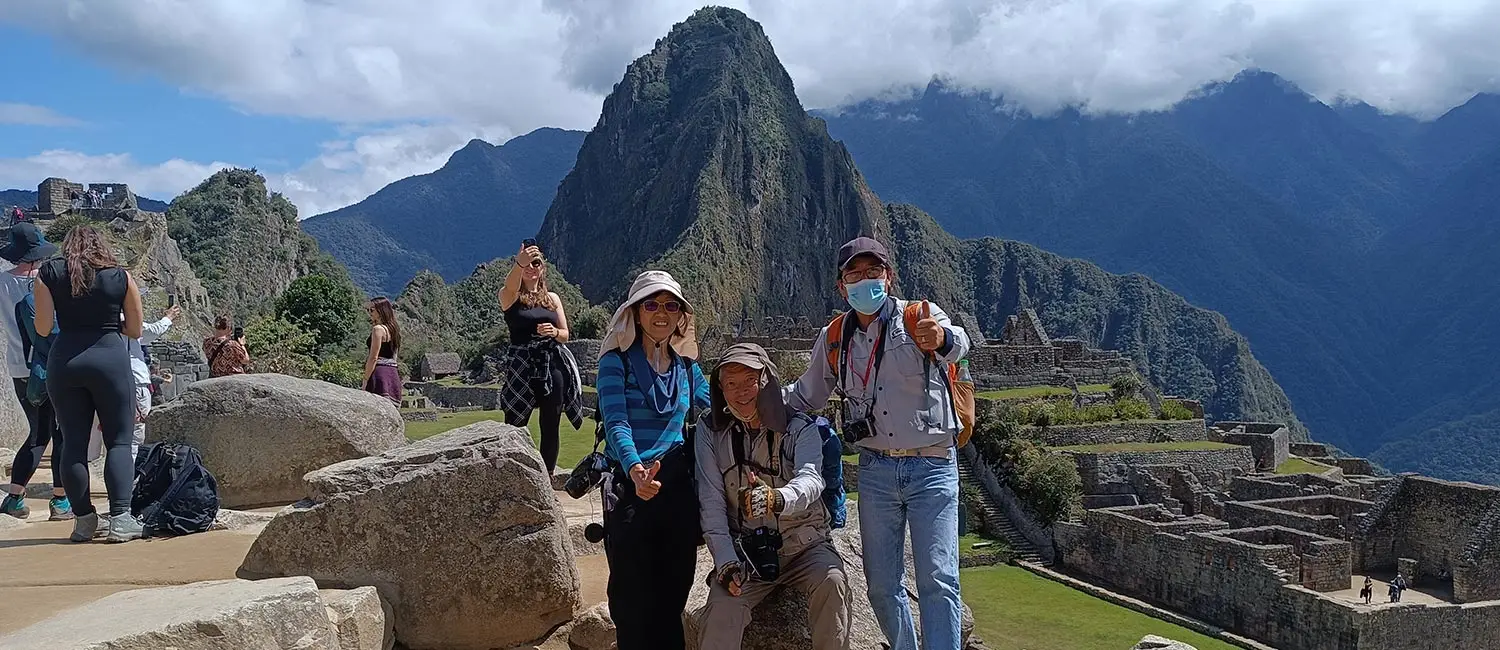
Finally, the trail concludes at Machu Picchu, the crown jewel of the Inca civilization. This world wonder, with its terraces, temples, and hidden corners, welcomes travelers who have walked in the footsteps of history.
More importantly, Machu Picchu is not just a destination—it is the ultimate reward for resilience, curiosity, and passion. Standing there, one feels both humbled and inspired.
Conclusion: A Journey Worth Taking
Walking the Inca Trail is not only an adventure but also a transformation. From the physical challenge to the cultural discoveries, it leaves travelers with memories that last a lifetime.
In the end, the trail reminds us that the best journeys are those that challenge our bodies, open our hearts, and connect us to the past.