Who Built Machu Picchu in Peru? The Untold Story Behind the Lost City
Introduction: A Wonder Shrouded in Mystery
High in the Andes Mountains of Peru lies Machu Picchu, a breathtaking citadel often called the “Lost City of the Incas.” While millions admire its stone terraces and majestic temples, one question continues to fascinate travelers and historians alike: Who built Machu Picchu? This question opens the door to a remarkable story of ingenuity, culture, and resilience.
Machu Picchu is not just an archaeological marvel—it is a living testimony to a people who shaped their world with stone and vision. To understand who built it, we must first look back at the mighty civilization behind it: the Incas.
The Inca Civilization: Masters of the Andes
The Inca Empire, which thrived in the 15th and 16th centuries, was the largest empire in pre-Columbian America. At its height, it stretched across modern-day Peru, Ecuador, Bolivia, Chile, and Argentina.
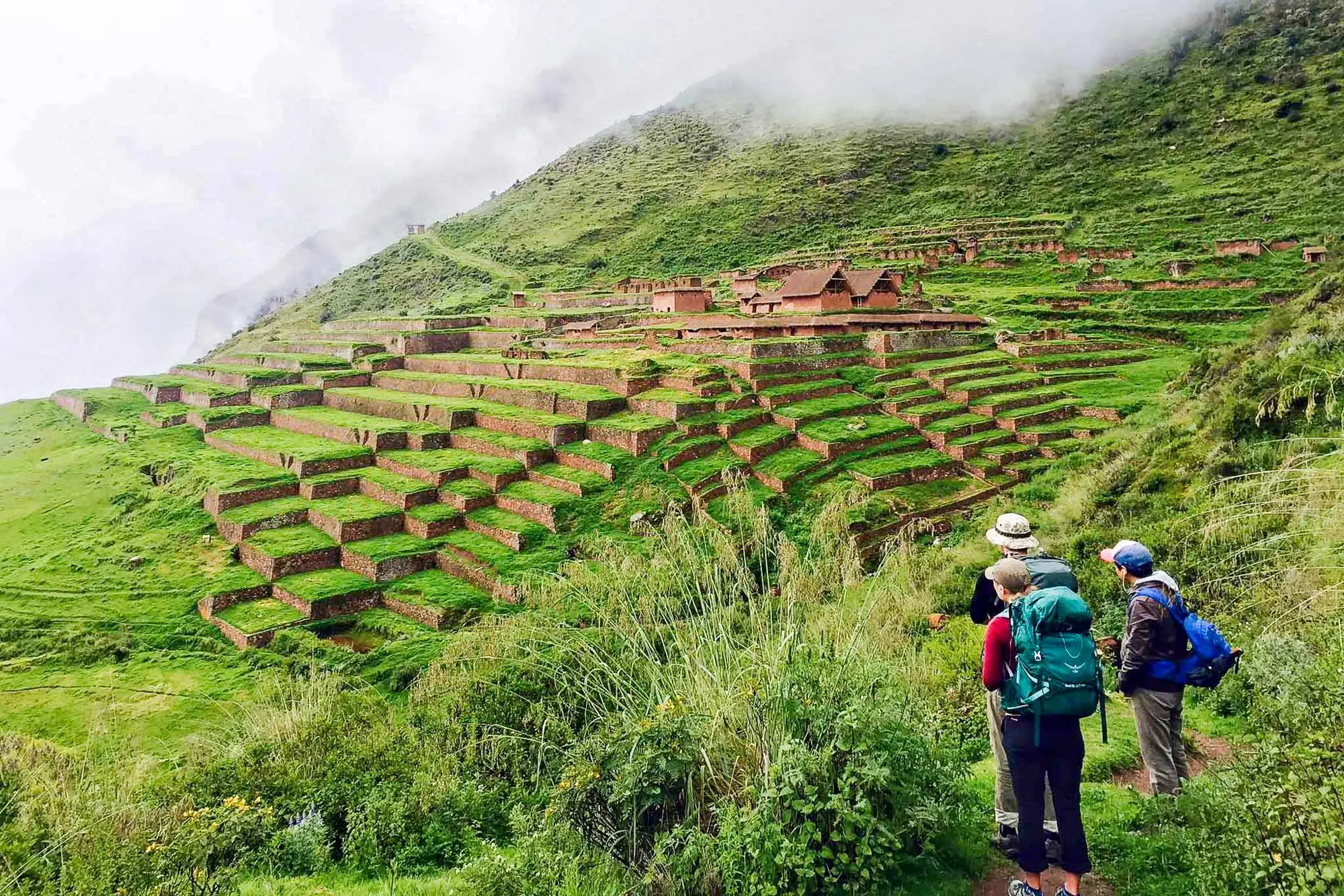
What makes the Incas extraordinary is their ability to thrive in the rugged Andes. They built roads across cliffs, agricultural terraces on steep mountains, and complex irrigation systems. These achievements set the stage for Machu Picchu’s construction.
The Vision of Pachacuti: The Emperor Behind Machu Picchu
Historical records and archaeological evidence point to Pachacuti Inca Yupanqui, the ninth Sapa Inca (emperor), as the visionary behind Machu Picchu. Pachacuti ruled from 1438 to 1471 and is often compared to Alexander the Great for his leadership and expansion of the empire.
Scholars believe Pachacuti ordered the construction of Machu Picchu around 1450 as a royal estate. It was more than a retreat—it was a spiritual and political statement, showcasing the Incas’ mastery of architecture and their connection to the natural world.
Skilled Hands: The Architects and Engineers of Machu Picchu
Although Pachacuti envisioned Machu Picchu, it was the Inca engineers, stonemasons, and laborers who brought it to life. These craftsmen worked without wheels, iron tools, or draft animals. Instead, they used bronze tools, ropes, and sheer determination to carve and transport stones weighing several tons.
Their precision remains unmatched. Stones were cut so perfectly that they fit together without mortar, making the structures earthquake-resistant. Even today, these walls withstand tremors that topple modern buildings.
Sacred Geometry: The Role of Religion in Construction
The Incas did not build Machu Picchu randomly. Every structure and terrace had symbolic meaning tied to their religious beliefs. Temples such as the Temple of the Sun aligned with astronomical events like the solstices. This demonstrates the Incas’ deep knowledge of astronomy and its importance in their spiritual life.
Machu Picchu was not just a city; it was a sacred landscape. The surrounding mountains, rivers, and skies were all integrated into its design, reinforcing the idea that construction was a spiritual act as much as an engineering challenge.
Daily Life of the Builders
While much of the glory goes to leaders and architects, the common workers were the backbone of Machu Picchu’s construction. Farmers, artisans, and laborers contributed under the mit’a system, a form of communal labor required by the Inca state.
Life for these builders was demanding, but their work reflected loyalty to their emperor and devotion to their gods. Their collective effort ensured that Machu Picchu became a jewel in the crown of the empire.
Why Build Machu Picchu in Such a Remote Place?
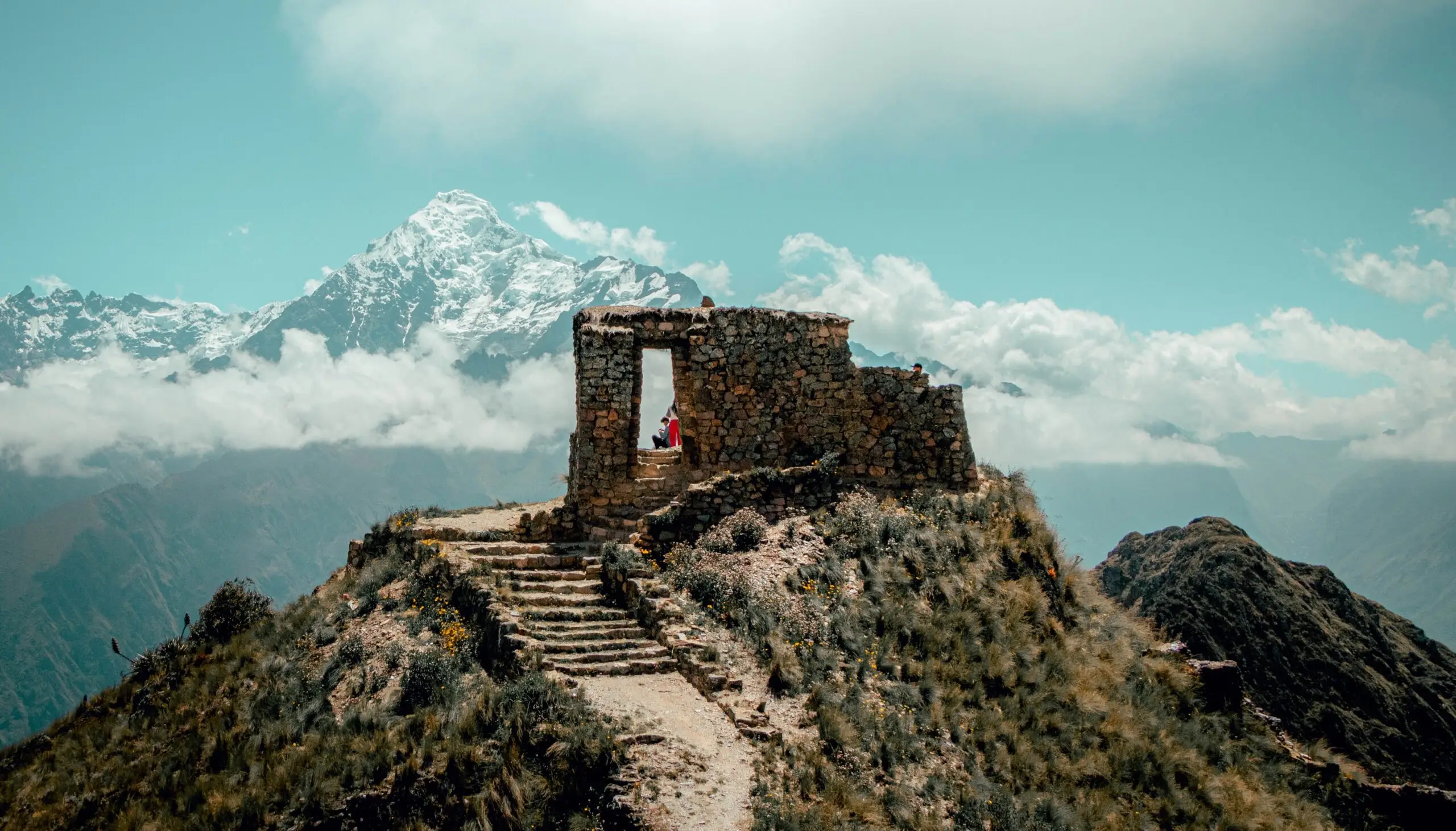
At first glance, building a city high in the Andes seems impractical. However, the Incas had strategic reasons. The location provided natural protection, stunning views, and fertile land for terraces.
Moreover, Machu Picchu’s setting allowed for close alignment with sacred geography. The mountains were considered apus, or divine spirits, making the site spiritually significant. The remoteness was not a drawback—it was part of the vision.
The Spanish Conquest and Machu Picchu’s Silence
When Spanish conquistadors invaded Peru in the 16th century, they destroyed many Inca cities. Remarkably, Machu Picchu remained hidden from them, likely because of its isolated location.
As a result, the city was abandoned and eventually covered by jungle. For centuries, locals knew of its existence, but the outside world remained unaware until American explorer Hiram Bingham rediscovered it in 1911.
Modern Recognition: A World Heritage Site
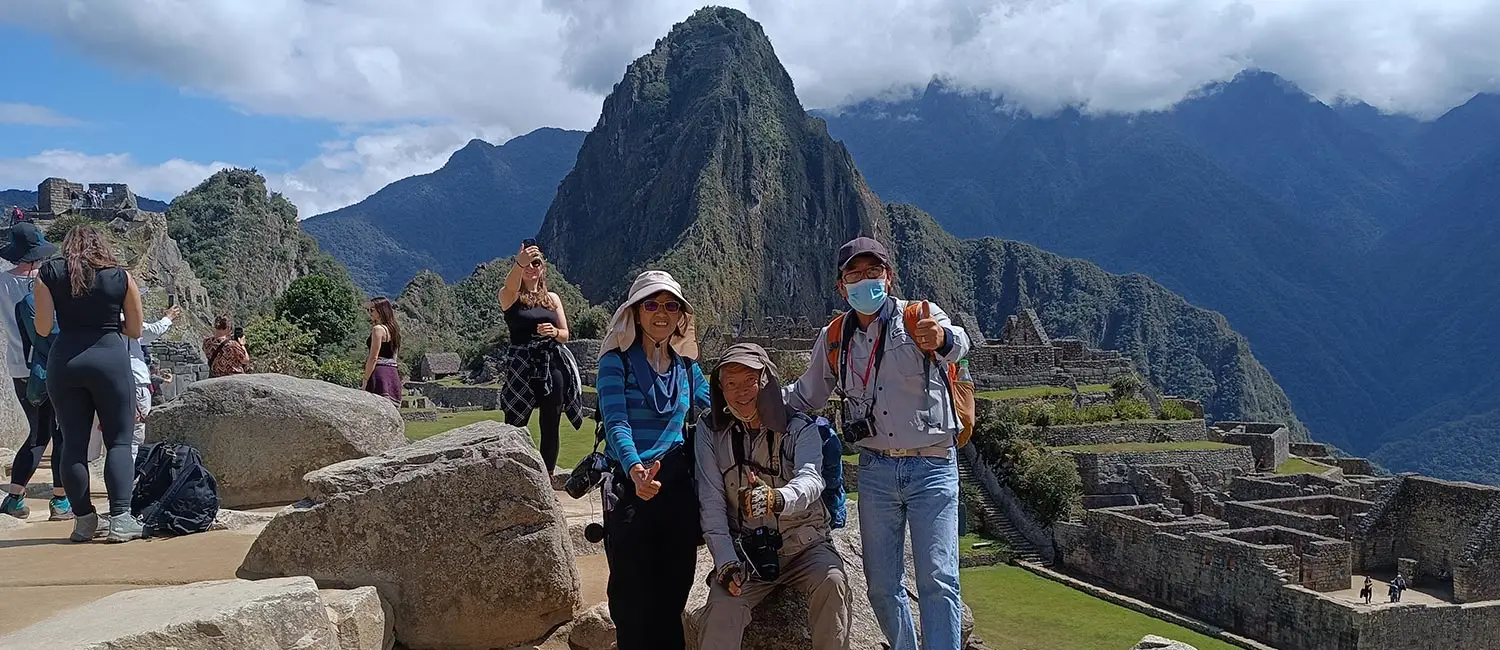
Today, Machu Picchu is a UNESCO World Heritage Site and one of the New Seven Wonders of the World. Millions of tourists travel each year to marvel at what the Incas achieved centuries ago.
Archaeologists continue to study the site, uncovering new insights into the lives of those who built it. Every stone tells a story, reminding us of the intelligence and spirit of the Inca people.
Conclusion: The Builders’ Legacy Lives On
So, who built Machu Picchu? The answer is not just Pachacuti or his engineers—it was the collective strength of an entire civilization. From rulers to workers, from priests to farmers, the Incas left behind a city that continues to inspire awe and admiration.
Machu Picchu remains more than ruins; it is a timeless reminder of what human vision, skill, and community can achieve. When we walk its terraces today, we walk in the footsteps of those who dared to build the impossible.